
Rugby referee signals are standardized hand gestures used to communicate decisions, ensuring game flow and fairness on the field. These visual signals allow players, coaches, and spectators to understand rulings instantly without verbal explanations.
Key Takeaway
-
Rugby referee signals are standardized hand gestures used to communicate decisions, ensuring game flow and fairness.
-
Key signals include Try/Penalty Try (arm raised vertically), Penalty Kick (arm raised diagonally upward), and Free Kick (arm raised horizontally, bent at elbow).
-
Advantage signal (arm held straight out to side) allows play to continue when non-offending team may gain benefit.
-
World Rugby is the authority for official signals, maintaining consistency across all levels of play.
-
Referee signals help maintain game pace and improve spectator engagement.
Primary Rugby Referee Signals Explained
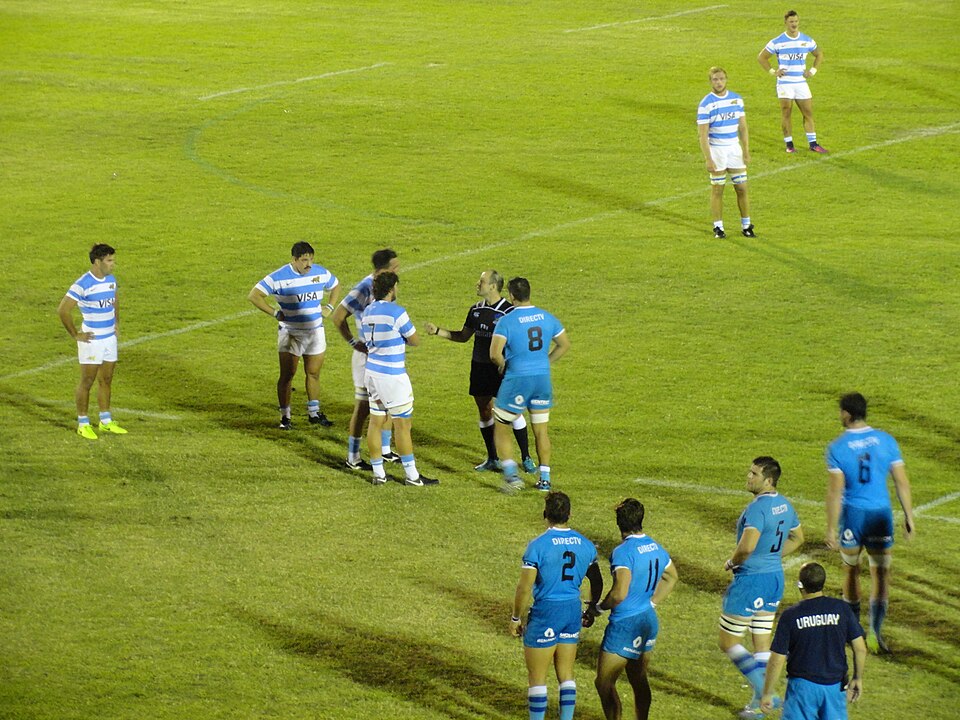
Rugby referees use specific hand signals to communicate their decisions clearly to players, coaches, and spectators. These standardized gestures ensure everyone understands the outcome of stoppages and infringements immediately, which is crucial in a sport played at high speed where verbal explanations would be impractical. For those new to the sport, understanding rugby rules is essential to following these signals.
Try, Penalty Try and Penalty Kick Signals
-
Try/Penalty Try: The referee raises one arm vertically above their head. This signal indicates a successful grounding of the ball over the try line or a penalty try awarded for foul play preventing a certain try. The vertical arm position is the most recognizable signal in rugby, instantly showing that points have been scored and the game will restart with a conversion kick.
-
Penalty Kick: The referee raises an arm diagonally upwards at approximately 45 degrees. This signal shows that a penalty has been awarded and the non-offending team can choose to kick for goal, touch, or tap and run. The diagonal position clearly distinguishes this from the vertical try signal and indicates a stoppage for rule infringement.
-
Game Impact: These signals indicate scoring opportunities and game stoppages. When a referee signals a try, play immediately stops and teams prepare for the conversion attempt. The penalty kick signal halts play completely, allowing the non-offending team to make strategic decisions about how to use their advantage. Both signals are critical for maintaining game flow and ensuring all participants understand the current state of play.
Common Infringement Signals and Their Meanings
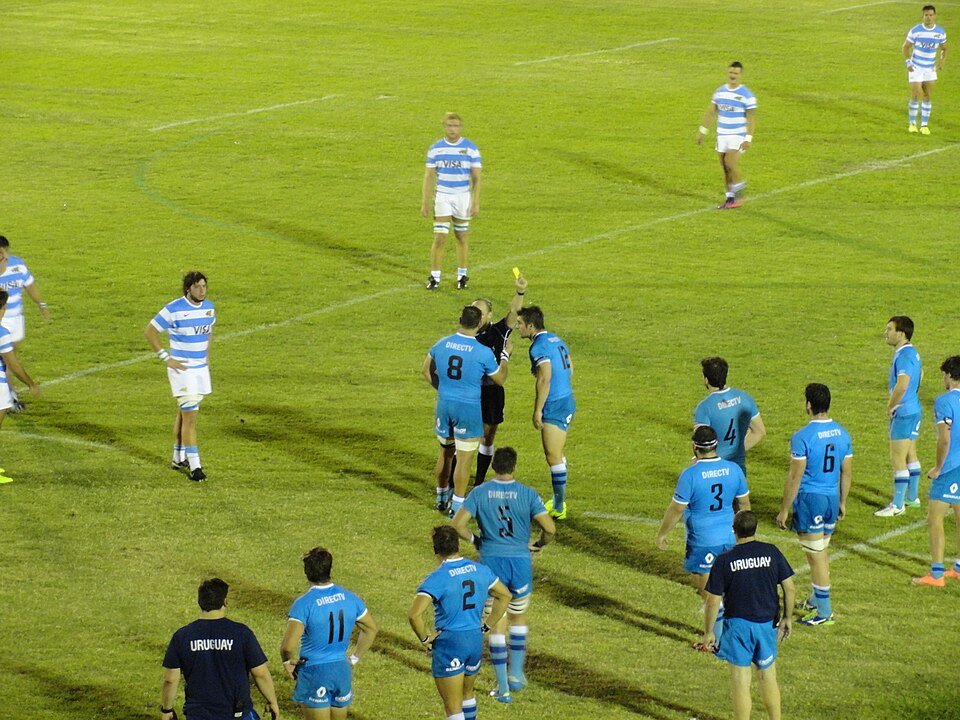
Beyond scoring signals, referees use specific gestures to indicate various rule violations and game management decisions. These signals help maintain order and ensure fair play throughout the match, with each signal corresponding to a specific type of infringement or game situation. Having the right essential rugby equipment is important for players to perform safely and effectively.
Free Kick, Advantage and Unplayable Ball Signals
-
Free Kick: The referee raises an arm horizontally, bent at the elbow at approximately 90 degrees. This signal indicates a less serious infringement than a penalty, often for technical violations where the non-offending team can still play on. Common free kick offenses include offside at the ruck, not releasing the ball when tackled, or entering a ruck from the side. The bent arm position clearly differentiates this from the straight-arm signals used for more serious penalties.
-
Advantage: The referee holds one arm straight out to the side, parallel to the ground, for several seconds. This signal allows play to continue when the non-offending team may gain a tactical advantage from the infringement, rather than stopping immediately for a penalty. The advantage signal is crucial for maintaining game flow – if the advantage doesn’t materialize within approximately 5-7 seconds, the referee returns to award the original penalty. This system rewards attacking teams who can capitalize on opponents’ mistakes.
-
Unplayable Ball (Ruck/Maul): The referee raises one hand above their head and taps the fingertips together. This signal shows that the ball in a ruck or maul cannot be played legally, resulting in a scrum to the team that did not cause the infringement. Common causes include the ball becoming trapped under players, a maul collapsing with the ball carrier held up, or repeated infringements at the breakdown. This signal immediately stops play and restarts with a set piece, maintaining fairness when the ball becomes unplayable.
How Referee Signals Impact Game Flow
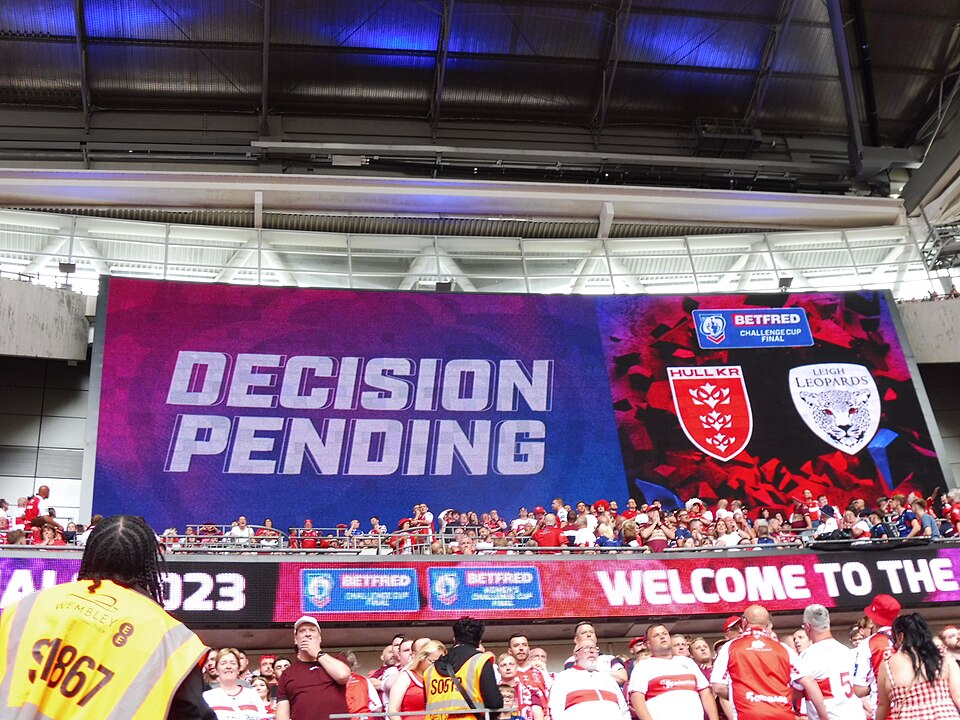
Referee signals serve multiple purposes beyond simply indicating decisions. They play a crucial role in maintaining the game’s tempo, ensuring player safety, and enhancing the spectator experience through clear communication. The effectiveness of these signals directly impacts how smoothly a rugby match progresses and how well audiences can follow the action.
Maintaining Pace and Spectator Understanding
Signals help maintain game pace and improve spectator engagement by providing immediate visual feedback on decisions. World Rugby, the global governing body, standardizes these signals to ensure consistency across all levels of play, from local club matches to international test matches. This standardization means that a rugby fan in Tokyo can understand the same signals as someone watching a match in London, creating a universal language for the sport. The evolution of these signals reflects the broader rugby history and how the game has developed over time.
The clarity of these signals allows the game to flow smoothly, with players quickly understanding when to stop, when to continue, and what the referee has decided. For example, when a referee signals advantage, players know they have several seconds to attempt an attacking play before the referee potentially returns to the original infringement. This understanding prevents confusion and reduces stoppages that would occur if players had to wait for verbal explanations.
Spectator understanding is equally important – clear signals transform a complex game into something easily followed by casual viewers. A single raised arm can communicate a five-point try to thousands of fans instantly, while the advantage signal lets spectators understand that play is continuing for strategic reasons rather than due to referee indecision. This visual communication system is essential for a sport played at high speed where verbal explanations would be impractical and could create confusion in noisy stadium environments.
The impact on game flow extends to player safety as well. Clear signals for dangerous play, high tackles, or offside violations immediately alert players to potential penalties, encouraging safer play and reducing the risk of injury. When players understand that certain actions will result in clear signals and consequences, they’re more likely to modify their behavior accordingly. Proper rugby training drills help players respond appropriately to these signals during matches.
Referee signals also play a psychological role in maintaining control of the match. Consistent, clear signaling demonstrates authority and helps prevent disputes from escalating. When players see that the referee’s decisions are communicated clearly and consistently, they’re more likely to accept calls without argument, keeping the game moving forward rather than getting bogged down in disagreements. Understanding rugby tactics helps teams adapt their play based on referee signals.
The most surprising aspect of rugby referee signals is how they transform a complex game into something easily understood by spectators. A single raised arm can communicate a five-point try to thousands of fans instantly. To better understand these signals, watch a professional match while following along with a signal chart – you’ll quickly recognize patterns and understand decisions before commentators explain them. For those interested in learning more about rugby fundamentals, our comprehensive guide to Bangkok Rugby 10s covers everything from basic rules to advanced strategies. Additionally, developing proper rugby fitness is crucial for players to keep up with the game’s demands.
