
Rugby sevens and 15s differ fundamentally in their core structure: sevens features 7 players per side with 7-minute halves, while 15s uses 15 players with 40-minute halves. This basic difference drives every tactical and strategic variation between the two formats.
Key Takeaway
- Rugby sevens features 7 players per side with 7-minute halves, while 15s uses 15 players with 40-minute halves
- Scoring team restarts with kickoff in sevens, creating continuous pressure and high-scoring games
- Simplified set pieces in sevens (3-player scrums) vs complex 8-player scrums in 15s
- Sevens demands elite speed-endurance for multiple tournament games, while 15s requires sustained power and strength
- 2026 tactical trends show sevens teams increasingly using penalty kicks and sudden-death overtime in knockout matches
Core Game Structure: Players, Time & Field Setup
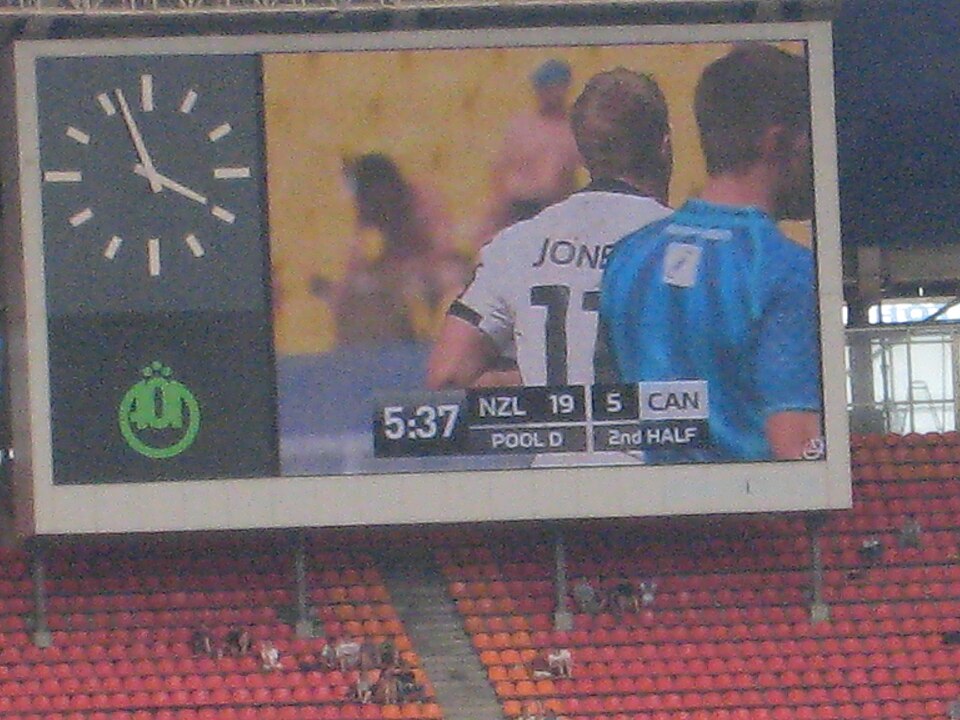
Player Numbers & Team Composition: 7 vs 15 Players
| Format | Players on Field | Team Structure | Substitutions | Field Coverage |
|---|---|---|---|---|
| Rugby Sevens | 7 per side | 3 forwards, scrum-half, 3 backs | 5 per match | 2,275 m² per player |
| Rugby 15s | 15 per side | 8 forwards, 7 backs | 7+ per match | 1,013 m² per player |
The player count difference creates distinct tactical frameworks. Sevens teams compress rugby’s traditional roles into seven athletes, with three forwards handling scrum duties and five backs covering attack and defense. This compact structure demands versatility – each player must excel at both offense and defense. In contrast, 15s spreads responsibilities across 15 specialized positions, with eight forwards dominating set pieces and seven backs orchestrating attack patterns. The field coverage disparity is striking: sevens players defend and attack 2,275 square meters each, while 15s players cover only 1,013 square meters, allowing for more specialized positioning and strategic depth.
Game Duration: 14 Minutes vs 80 Minutes Total Play
- Sevens: 2×7-minute halves (10-minute finals) = 14-20 minutes total
- 15s: 2×40-minute halves = 80 minutes total
- Halftime: 1 minute in sevens vs 10 minutes in 15s
- Tournament impact: Sevens teams play 3-6 games daily vs 15s teams one match per week
- Recovery demands: Sevens players need 24-48 hours between matches vs 7 days in 15s
Time compression defines sevens’ frantic pace. The 14-minute format eliminates strategic lulls – teams must maintain maximum intensity throughout. Finals extend to 20 minutes, but still represent a sprint compared to 15s’ marathon. This duration difference shapes conditioning: sevens players train for repeated high-speed bursts, while 15s athletes build sustained power for 80 minutes of physical combat. The tournament structure amplifies these differences – sevens players compete in multiple matches daily, requiring exceptional recovery capacity, while 15s teams focus on single-match preparation with full week recovery cycles.
Tactical Approaches: Scoring, Possession & Set Pieces
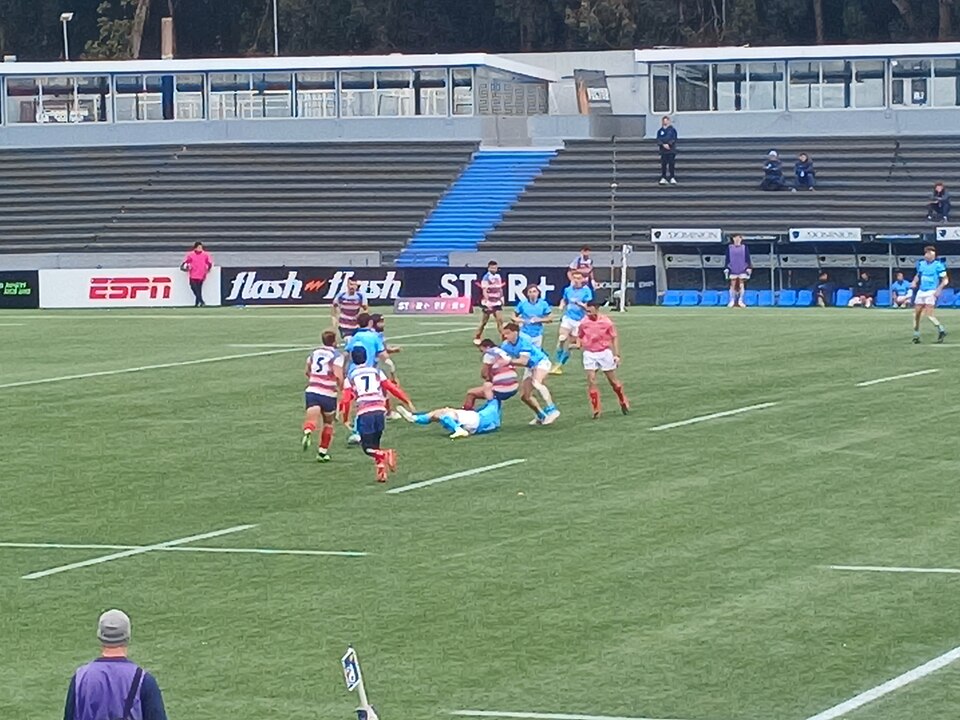
Restart Rules: Scoring Team Kickoff vs Non-Scoring Kickoff
Rugby sevens creates relentless pressure through its unique restart rule: the scoring team kicks off to maintain momentum. This contrasts sharply with 15s, where the non-scoring team restarts to regain territory. In sevens, a converted try followed by immediate kickoff keeps the scoring team attacking, forcing opponents to defend continuously. This creates the format’s signature high-scoring nature – teams average 40-50 points per match versus 20-30 in 15s. The rule eliminates defensive regrouping time, making sevens a constant offensive battle where possession changes hands rapidly. Statistical analysis shows sevens teams score tries every 2-3 minutes versus every 8-10 minutes in 15s, demonstrating how restart rules fundamentally alter game rhythm.
Set Pieces: Simplified vs Complex Scrum & Lineout Structures
| Set Piece | Sevens Configuration | 15s Configuration | Tactical Purpose |
|---|---|---|---|
| Scrum | 3 players per side, uncontested | 8 players per side, contested | Quick ball vs physical dominance |
| Lineout | 2-3 players, rapid throw | 7-8 players, strategic moves | Speed vs tactical complexity |
| Ruck | 1-2 players, immediate release | 3-4 players, controlled possession | Continuity vs territory |
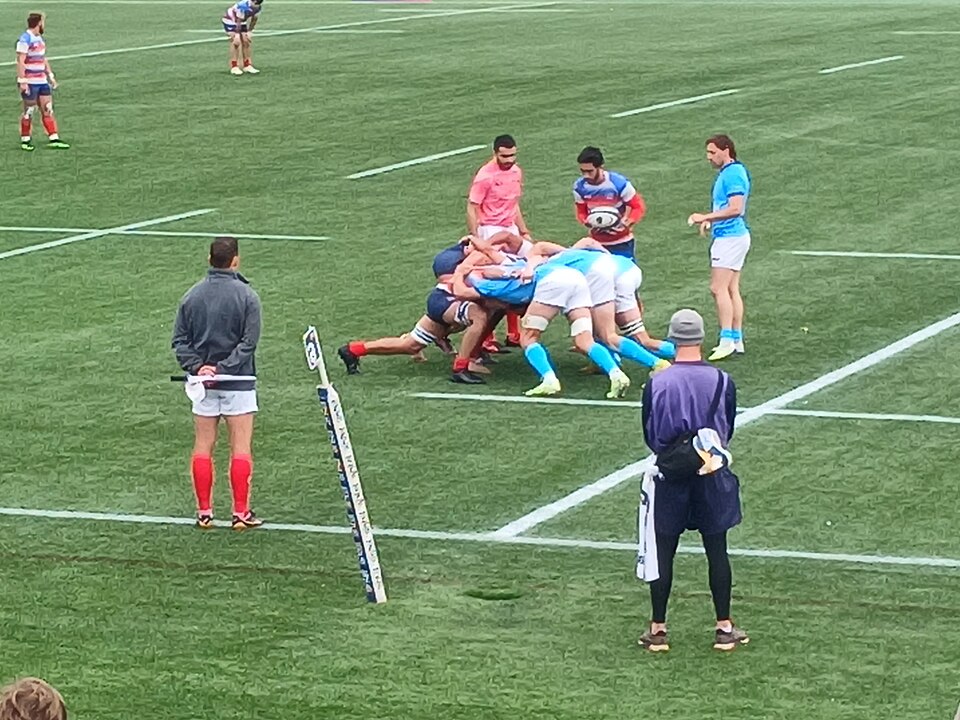
Sevens simplifies rugby’s traditional set pieces dramatically. Scrums involve only three players per side in uncontested formations, focusing on quick ball delivery rather than physical dominance. Lineouts feature two to three players for rapid throws, emphasizing speed over strategic complexity. In contrast, 15s scrums deploy eight players in contested battles where front rows push for advantage while hookers strike for possession. Lineouts become tactical chess matches with seven to eight players executing pre-planned moves, lifting jumpers to contest high balls. These structural differences reflect each format’s priorities: sevens values rapid continuity while 15s emphasizes controlled possession through physical superiority. The ruck battle also differs significantly – sevens players clear defenders immediately to maintain attacking momentum, while 15s teams secure possession methodically for structured attacks.
2026 Tactical Evolution: Modern Game Strategies
Penalty Decisions: Drop Kicks vs Tap Penalties in Elite Sevens
- 2026 SVNS trend: Teams increasingly opt for 3-point penalty kicks
- Strategic shift: Defenses too disciplined for tap-penalty success
- Impact: Drop goals now crucial tactical weapons in tight matches
- Statistics: Penalty kick success rates up 15% from 2023-2024
- Elite conversion: Top teams convert 85% of penalty opportunities
Elite sevens teams in 2026 have revolutionized penalty strategy. Where tap penalties once dominated, disciplined defenses now force teams to take the three points. This tactical evolution reflects increased defensive organization – opponents read tap signals and flood breakdown areas. The shift elevates drop-goal specialists to crucial roles, with accurate kickers becoming match-winners. Teams now build entire attacking structures around creating penalty opportunities in kickable positions, fundamentally altering sevens’ traditional all-out attack philosophy. Analysis of 2026 tournament data shows teams average 3-4 penalty kicks per match, compared to just 1-2 in previous seasons, demonstrating this strategic transformation.
Physical Demands: Speed-Endurance vs Power-Stamina Requirements
| Physical Attribute | Sevens Requirement | 15s Requirement | Training Focus |
|---|---|---|---|
| Speed | Maintain 8-9 m/s for 14 min | 8-9 m/s in short bursts | Repeated sprint ability |
| Strength | Functional power for contact | Max strength for collisions | Heavy resistance training |
| Endurance | Speed-endurance capacity | Aerobic base for 80 min | Interval training |
| Recovery | Rapid between matches | Full week between games | Nutrition/hydration focus |
Sevens players must maintain top speeds for 14-minute matches while recovering between tournament games. This demands elite speed-endurance – athletes train to sprint repeatedly without performance drop-off. A typical sevens player covers 1.5-2 km per match at higher intensities than 15s counterparts. Conversely, 15s requires sustained power for 80 minutes of physical combat. Players absorb repeated heavy collisions, with forwards making 15-20 tackles per game at maximum force. The conditioning contrast is stark: sevens athletes peak for multiple daily efforts, while 15s players build single-match resilience through strength training and collision preparation. Modern GPS tracking shows sevens players reach maximum velocities 40-50 times per match versus 15-20 times in 15s, highlighting the different physical demands.
The most surprising finding reveals how sevens’ restart rule fundamentally transforms rugby’s nature. By giving possession back to the scoring team, sevens eliminates the defensive reset that defines 15s, creating a continuous pressure cooker where teams average twice the points. This single rule change makes sevens rugby’s most dynamic format, explaining its Olympic success and growing global appeal. For players considering the switch, understanding this tactical shift is crucial – success in sevens requires embracing constant attack rather than strategic territorial play.
