
Flexibility and mobility training can reduce rugby injuries by up to 72% while improving performance in tackling, passing, and speed, according to England Rugby’s Activate program data.
- Flexibility and mobility are essential for rugby performance and injury prevention
- Dynamic stretching before training, static stretching after training (30-60s holds)
- Focus on hips, ankles, thoracic spine, and shoulders for rugby-specific movements
- Daily 10-15 minute routines compound benefits over time
- Proper mobility training can reduce injuries by up to 72% and concussions by 59%
Why Rugby Players Need Flexibility & Mobility

The Science Behind Flexibility for Rugby Performance
Flexibility and mobility directly impact rugby performance through specific biomechanical advantages. Tight muscles are prone to strains and tears during high-intensity movements, while flexible muscles allow greater range of motion for tackling, passing, and sprinting. Research shows that muscle length and joint mobility affect every aspect of rugby play – from the low body position needed for effective tackling to the rotational power required for passing and kicking. The thoracic spine’s mobility determines passing accuracy, while hip flexibility affects both defensive positioning and offensive agility. Studies indicate that players with better flexibility demonstrate improved speed and reduced injury rates compared to those with limited range of motion. Understanding rugby rules and scoring helps players appreciate how mobility affects game outcomes.
Key Areas to Target: Hips, Ankles, Thoracic Spine, Shoulders
Hips require specific attention for rugby players due to the sport’s demands for low body positioning and rapid directional changes. Hip mobility enables players to maintain a strong defensive stance while generating power for explosive movements. Ankles need flexibility for proper foot placement during scrums, tackles, and quick directional changes. The thoracic spine’s rotation capacity directly influences passing accuracy and tackling technique, as players need to generate force through their core while maintaining balance. Shoulder mobility affects both throwing mechanics and the ability to absorb contact during tackles. These four areas form the foundation of rugby-specific mobility work, with each contributing to different aspects of on-field performance. Each rugby position requires specific mobility patterns for optimal performance.
Dynamic vs Static Stretching: When and How to Use Each
Dynamic stretching involves active movements that take joints through their full range of motion, making it ideal for pre-training warm-ups. This approach increases blood flow, activates muscles, and prepares the nervous system for explosive movements. Static stretching, where positions are held for 30-60 seconds, works best after training when muscles are warm and pliable. This timing allows for deeper stretches without compromising power output during performance. Dynamic stretching should be performed for 5-10 minutes before activity, while static stretching is most effective during cool-down periods. The key difference lies in timing and purpose – dynamic stretching prepares the body for movement, while static stretching promotes recovery and flexibility gains.
Rugby-Specific Flexibility Routines & Exercises
Pre-Training Dynamic Warm-Up Routine (5 Minutes)
Start with joint rotations moving from fingers to toes, including neck circles, shoulder rolls, and ankle rotations. Follow with arm swings – forward and backward movements that open the chest and shoulders. Leg swings come next, alternating between front-to-back and side-to-side motions to activate hip flexors and abductors. Walking lunges with a twist engage multiple muscle groups while improving balance and coordination. High knees and butt kicks add dynamic movement to the lower body, preparing muscles for explosive actions. Finish with lateral shuffles and carioca drills to activate the nervous system and improve coordination. This 5-minute routine activates all major muscle groups while maintaining the dynamic nature needed for optimal performance preparation.
Post-Training Static Stretching Routine (10 Minutes)
Begin with hamstring stretches, holding each position for 30-60 seconds while keeping the back straight. Move to calf stretches, targeting both the gastrocnemius and soleus muscles with bent and straight knee positions. Hip flexor stretches address the front of the hip, crucial for players who spend significant time in forward-leaning positions. Quadriceps stretches should be performed standing or lying down, ensuring proper form to avoid lower back strain. Shoulder stretches include both cross-body stretches and overhead reaches to target different aspects of shoulder mobility. Finish with a gentle spinal twist to release tension accumulated during training. Each stretch should be held at the point of mild tension, never pain, allowing muscles to relax and lengthen gradually.
Daily 10-15 Minute Mobility Routine for Injury Prevention
A daily mobility routine focuses on maintaining and improving flexibility outside of training sessions. Start with foam rolling major muscle groups – quads, hamstrings, IT band, and back – spending 30-60 seconds on each area. Follow with hip circles and figure-four stretches to improve hip mobility. Ankle mobility drills include heel raises and toe walks to strengthen and stretch the lower leg. Thoracic spine rotations using a foam roller or lying on the floor help maintain upper back mobility. Shoulder mobility work includes band pull-aparts and wall slides to improve posture and range of motion. Finish with deep breathing exercises while holding gentle stretches to promote relaxation and recovery. This routine can be performed any time of day, making it easy to incorporate into daily life.
Injury Prevention Through Mobility Training
The Data: How Mobility Training Reduces Injuries by 72%
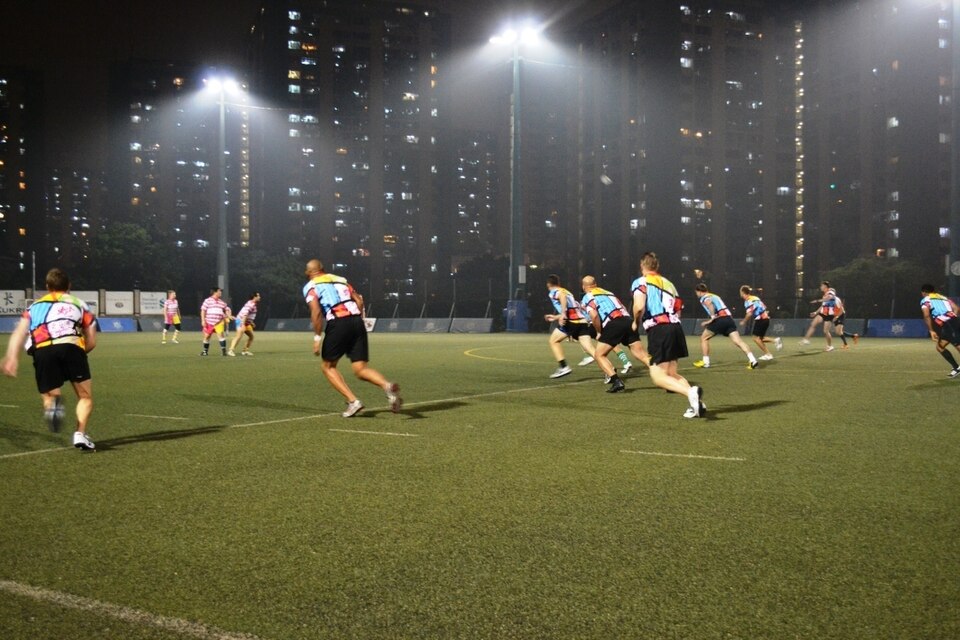
England Rugby’s Activate program demonstrates the powerful impact of structured mobility training on injury prevention. The program’s data shows a 72% reduction in overall injuries among participants, with specific improvements in concussion rates through targeted movement training. ForceField Training research indicates that proper movement patterns can reduce major concussions and injuries by up to 59%. These statistics highlight how mobility work goes beyond simple flexibility – it involves training the body to move correctly under stress. The data shows that players who consistently perform mobility exercises experience fewer muscle strains, joint injuries, and contact-related issues compared to those who skip this crucial training component — Bangkok International Rugby 10's.
Tools and Equipment for Effective Mobility Work
Foam rollers serve as the foundation for self-myofascial release, helping break up muscle adhesions and improve blood flow. Different densities are available – softer rollers for beginners and firmer ones for experienced users. Resistance bands provide variable resistance for stretching and strengthening exercises, with different thicknesses offering various resistance levels. Lacrosse balls or massage balls target specific trigger points that foam rollers cannot reach effectively. Mobility sticks or PVC pipes assist with shoulder and upper back mobility work. Exercise bands with handles enable a wide range of stretching and strengthening exercises. These tools enhance the effectiveness of mobility work by providing targeted pressure and resistance where needed most. Having the right rugby equipment makes mobility training more effective.
Integrating Mobility into Your Strength Training
Combining mobility work with strength training maximizes efficiency and results. Start each strength session with 5-10 minutes of dynamic mobility exercises targeting the muscles you’ll train that day. For example, hip mobility work before lower body training or shoulder mobility before upper body sessions. Between strength sets, perform brief mobility exercises for the muscle groups being trained – this maintains flexibility while muscles are warm. After completing your strength work, dedicate 10-15 minutes to static stretching and foam rolling. This approach ensures that mobility work becomes a natural part of your training routine rather than an afterthought. The key is consistency – even 5-10 minutes of focused mobility work daily compounds into significant improvements over time. This complements rugby training drills for comprehensive athletic development.
Starting with just 5 minutes of dynamic mobility before your next training session can begin the compounding benefits that lead to better performance and fewer injuries. Track how your body feels after two weeks of consistent mobility work – most players notice improved movement quality and reduced muscle soreness within this timeframe. Proper rugby fitness training combines mobility work with conditioning for optimal game performance.
