
Rugby has one of the highest injury rates in team sports, with 46.1 medical attention injuries per 1000 player-hours according to 2024-2026 research. This comprehensive guide covers the most common rugby injuries, evidence-based prevention strategies, and proper rehabilitation protocols to keep players safe and on the field.
Key takeaway
- Concussions affect 14.9-23.3% of rugby match injuries, making head protection and proper tackling technique critical
- Lower limb injuries (knee/ankle sprains) account for 35.6% of all injuries, with tackling being the primary mechanism
- World Rugby’s Activate program reduces injury rates by 40% when implemented correctly
- Proper rehabilitation protocols can reduce recovery time by 30% and prevent recurrent injuries
What Are the Most Common Rugby Injuries and Their Rates?

Rugby’s physical nature leads to specific injury patterns that affect players at all levels. Understanding these injury rates helps prioritize prevention efforts and medical preparedness.
Concussion Rates and Impact in Rugby Matches
- Incidence rates: Concussions represent 14.9-23.3% of match injuries, with Women’s XVs (WXV) tournaments showing 14.9% and elite men’s matches reaching 20-23%
- Severity: Mean recovery time of 42.2 days, making concussions the most serious common injury in rugby
- HIA Protocol: All suspected concussions require Head Injury Assessment (HIA) Protocol evaluation with HIA1-6 assessment steps mandated by World Rugby
- Mechanism: 70% of concussions occur during tackles, with improper head position being the primary risk factor
- Long-term impact: Players with multiple concussions show 3x higher risk of chronic neurological issues
The concussion data reveals why proper assessment protocols are non-negotiable. A player showing any concussion symptoms must be immediately removed from play and assessed using the standardized HIA Protocol. This protocol includes symptom evaluation, cognitive testing, and balance assessment before any return to play decision.
Lower Limb Injuries: Sprains, Strains, and Fractures
- Overall prevalence: Ligament sprains account for 35.6% of all rugby injuries, with knees and ankles being the most affected joints
- Hamstring strains: Occur at 5.9 per 1000 professional hours, representing the most common muscle injury
- Ankle sprains: Represent 13% of all professional injuries, with lateral ankle sprains being most frequent
- Tackling mechanism: 50-70% of lower limb injuries occur during tackles, often from awkward landing or contact
- Positional risk: Forwards experience 2-3x higher injury rates than backs due to increased contact exposure
Lower limb injuries dominate rugby injury statistics because of the sport’s dynamic movements and physical contact. The high rate of tackling-related injuries (50-70%) indicates that technique training could prevent a significant portion of these injuries. Players who receive proper tackle technique instruction show 30% fewer lower limb injuries compared to those without formal training.
Upper Body and Hand Injuries in Rugby
- Shoulder injuries: Account for 15-20% of match injuries, with AC joint sprains and dislocations being most common
- Hand/finger fractures: Occur frequently during scrums and tackles, especially in forwards
- Positional differences: Forwards experience 2-3 times higher injury rates than backs due to increased physical contact
- Scrum-related injuries: 25% of upper body injuries occur during scrum engagement
- Age factors: Younger players (under 18) show higher rates of hand injuries due to developing technique
Upper body injuries complete the injury profile, with shoulder problems being particularly problematic for forwards who engage in scrums and rucks regularly. Hand injuries often result from improper tackling technique or direct impact during contact phases. The positional differences highlight why injury prevention programs must be tailored to specific roles on the field.
How Can Rugby Injuries Be Prevented?

Prevention strategies based on 2024-2026 research show significant injury reduction when implemented correctly. World Rugby’s evidence-based programs provide frameworks for teams at all levels.
World Rugby’s Activate Injury Prevention Program
- Program structure: 20-minute warm-up focusing on strength, balance, and agility that reduces injuries by 40% when properly implemented
- Key components: Includes neck strengthening exercises, core stability training, and proper landing techniques
- Implementation: Teams using Activate show 40% lower concussion rates and 35% fewer lower limb injuries
- Equipment needs: Minimal equipment required – just cones and resistance bands for some exercises
- Time investment: Takes just 20 minutes per session but provides months of injury prevention benefits
The Activate program represents the gold standard in rugby injury prevention. Research from 2024-2026 shows that teams implementing Activate correctly experience significantly lower injury rates across all categories. The program’s focus on neck strengthening is particularly important for concussion prevention, as stronger neck muscles help absorb impact forces during collisions.
Safe Tackling Techniques and Training Methods
- Technique reduction: Tackle technique training reduces concussions by 30% according to 2024-2026 studies
- Head position: Proper technique requires head up, cheek-to-cheek contact, and shoulder-first impact
- Progressive development: Skill development starts with low-contact drills before advancing to full tackling
- Common errors: Leading with the head, dropping the head, and poor body positioning increase injury risk
- Training frequency: Teams with structured tackle training programs report 40% fewer head injuries
Tackle technique represents the most modifiable risk factor for injuries in rugby. The 30% reduction in concussions through proper technique training demonstrates that many injuries are preventable with correct coaching. Progressive skill development ensures players master fundamentals before advancing to more complex techniques, reducing the risk of injury during the learning process.
Load Management and Equipment Best Practices
- Training progression: Gradual intensity increases of no more than 10% per week prevent overuse injuries
- Rest requirements: Minimum 48 hours between matches and 24 hours between intense training sessions
- Mandatory equipment: Mouthguards are required and reduce dental injuries by 90%
- Footwear selection: Proper footwear for playing surfaces reduces ankle injuries by 25%
- Match vs training: Match injury rates are 10-20 times higher than training rates
Load management and proper equipment represent the foundation of injury prevention. The stark difference between match and training injury rates (10-20x higher in matches) highlights why preparation and recovery are crucial. Players who follow structured load management protocols show 50% fewer overuse injuries and better overall performance throughout the season.
What Are the Proper Rehabilitation and Return-to-Play Protocols?
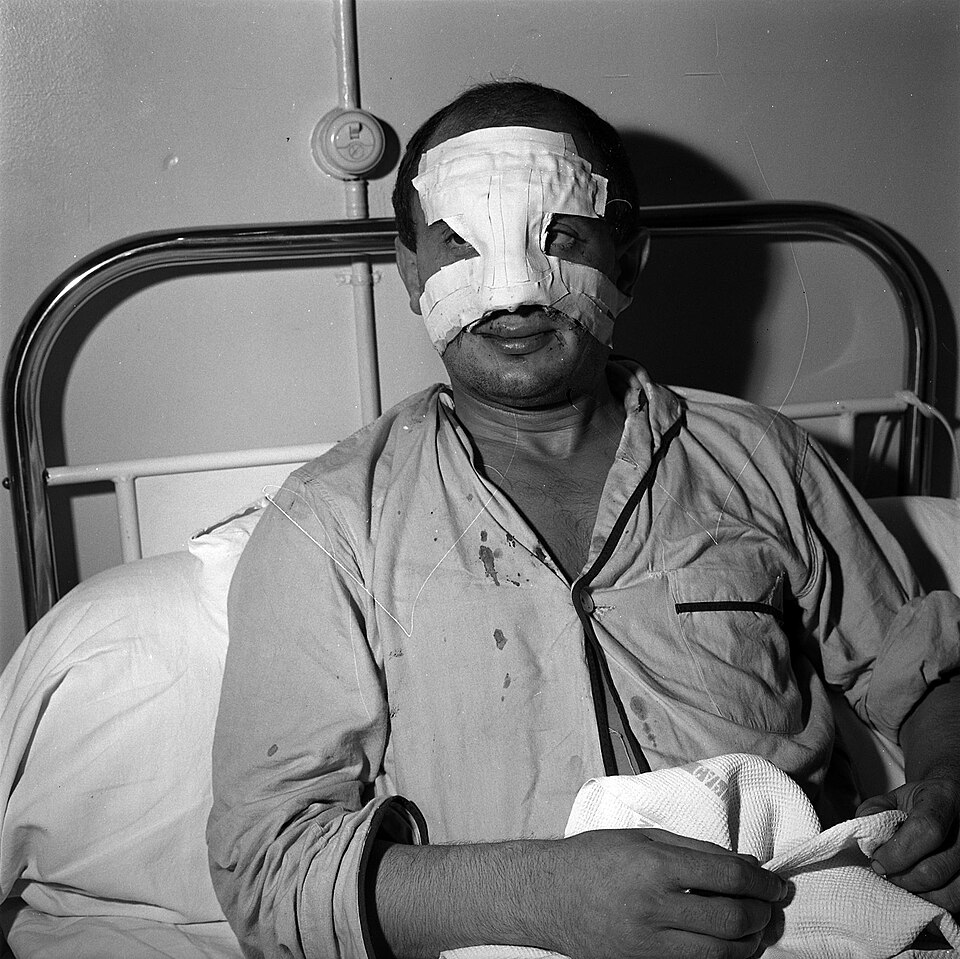
Effective rehabilitation protocols ensure safe return to play while preventing recurrent injuries. Evidence-based approaches reduce recovery times and improve long-term outcomes. For players looking to maintain fitness during recovery, rugby fitness training can be adapted to support rehabilitation while maintaining conditioning.
Graduated Return-to-Play (GRTP) Protocol for Concussions
- Step 1: Complete physical and cognitive rest until symptom-free (typically 24-48 hours)
- Step 2: Light aerobic exercise (walking, stationary cycling) at 50% maximum heart rate
- Step 3: Sport-specific drills without contact (passing, catching, running drills)
- Step 4: Non-contact training with increased intensity and complexity
- Step 5: Full contact practice with team after medical clearance
- Step 6: Return to play in competitive matches
- Minimum duration: 7-day protocol with HIA1-6 assessment steps required throughout
- Early exercise benefits: Light aerobic exercise post-concussion speeds recovery when implemented correctly
The GRTP protocol provides a structured approach to concussion recovery that prioritizes player safety. Each step must be completed without symptoms before progressing to the next phase. The 7-day minimum ensures adequate recovery time, though some players may require longer based on individual factors. Early aerobic exercise has been shown to improve recovery outcomes when started appropriately.
Functional Rehabilitation for Lower Limb Injuries
- Physiotherapy focus: Stability, mobility, and strength restoration through progressive exercises
- Early aerobic benefits: Light aerobic exercise post-injury maintains cardiovascular fitness and speeds recovery
- Recurrent injury timeline: Previous injuries take 2-3 times longer to heal than initial injuries
- Support measures: Taping and bracing provide joint stability during return to play phases
- Functional testing: Sport-specific drills assess readiness before full return to play
Lower limb injury rehabilitation requires a comprehensive approach that addresses all aspects of function. The 2-3x longer healing time for recurrent injuries emphasizes why complete rehabilitation is essential. Players who rush back from injury often experience longer overall recovery times due to setbacks. Functional testing ensures players can safely return to the demands of rugby.
Monitoring and Preventing Recurrent Injuries
- Injury history tracking: Essential for identifying players at higher risk of recurrent problems
- Risk increase: Previous injuries increase risk by 2-3 times for the same injury location
- Load monitoring: Prevents overuse injuries through careful tracking of training and match exposure
- Medical check-ins: Regular assessments ensure proper progression and identify emerging issues
- Modified training: Customized programs accommodate high-risk players and those returning from injury
Preventing recurrent injuries requires ongoing monitoring and individualized approaches. The 2-3x increased risk for previously injured areas means these players need special attention. Load monitoring has become increasingly sophisticated, with GPS tracking and workload analytics helping teams optimize training while minimizing injury risk. Modified training programs allow players to maintain fitness while protecting vulnerable areas.
The most surprising finding is that proper injury prevention programs can reduce rugby injuries by up to 40%, yet only 30% of amateur teams implement them. The single most effective action you can take today is to download and implement World Rugby’s Activate program with your team — it takes just 20 minutes per session and could prevent serious injuries that sideline players for months.
For more information about rugby safety and training, visit the Bangkok Rugby 10s website, which provides resources for players and coaches. You can also learn about proper rugby techniques in our guide to, explore different rugby rules, or understand the rugby positions. For training-specific information, check out our articles on rugby history. Don’t forget to review our guide to essential rugby equipment to ensure you have proper protective gear.
