
Effective rugby team building creates the foundation for success both on and off the field. Research shows that sustained team-building interventions improve cohesion over time, not one-off events, with engaged cohesive teams outperforming disengaged ones on all metrics. For more information about rugby events and training, visit Bangkok 10s Rugby.
Key Takeaway
-
Sustained team-building interventions improve cohesion over time, not one-offs (PMC.ncbi.nlm.nih.gov, Kwon SH et al., 2024)
-
Engaged cohesive teams outperform disengaged on all metrics (Gallup via monkhouseandcompany.com)
-
Shared meals boost team bonds (University of Erlangen-Nuremberg 2015 study cited 2025)
On-Pitch Rugby Team Building Activities That Build Trust
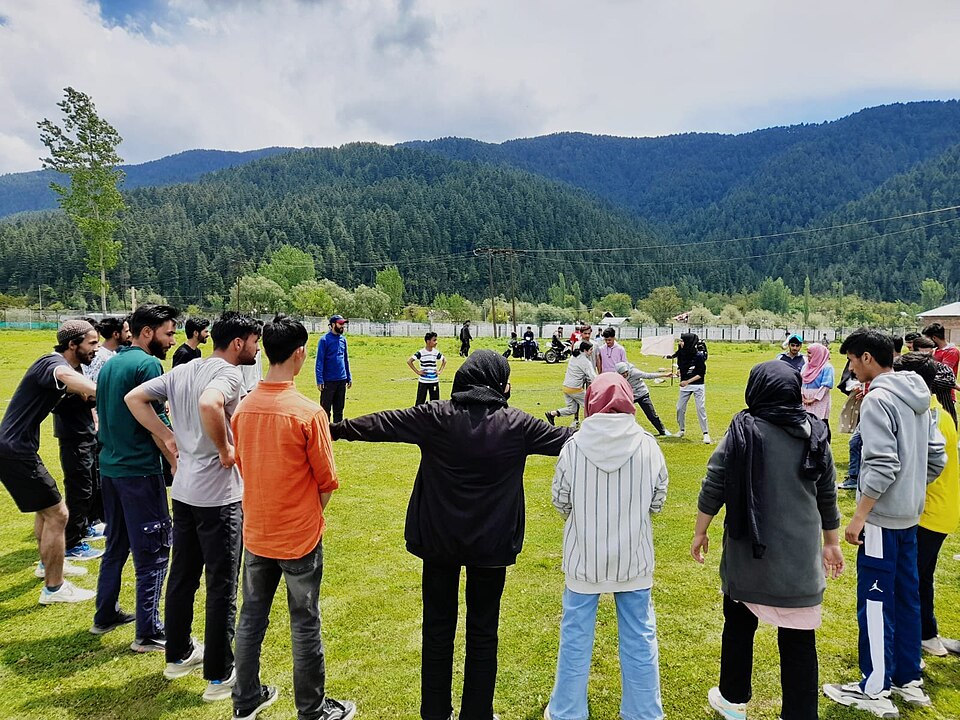
Small-Sided Games: Mixing Positions for Adaptation and Support
Small-sided games create the perfect environment for building trust and adaptability among rugby players. These modified games mix positions and experience levels, forcing players to adapt to different roles and support teammates outside their usual comfort zones. According to Spond’s 2025 research, small-sided games help players develop quick decision-making skills while building mutual understanding across different positions.
The beauty of small-sided games lies in their ability to compress game scenarios into manageable learning environments. When forwards find themselves defending against backline attacks or backs must ruck over in tight spaces, they develop appreciation for each other’s roles. This cross-position understanding reduces on-field miscommunication and creates more cohesive team units during actual matches. Understanding rugby positions and their responsibilities is crucial for this development.
Chaos Rugby represents another powerful on-pitch activity that develops team chemistry under pressure. This fast-paced variation requires players to make split-second decisions while maintaining team structure, building trust through shared adversity. Players learn to rely on teammates’ positioning and decision-making abilities when the game becomes unpredictable. The chaotic nature forces players to communicate effectively and trust their teammates’ instincts.
Blindfolded passing drills take trust-building to another level by removing visual cues entirely. Players must communicate verbally and rely completely on their teammates’ accuracy and timing. This exercise, documented in Reddit’s rugby community in 2024, creates vulnerability that strengthens bonds when teammates successfully complete the challenge together. The exercise teaches players to trust their teammates’ ability to execute under pressure. These drills are part of comprehensive rugby training programs.
Unit Cohesion Through Sectioned Pad Work and Bump & Hold Touch
Sectioned pad work builds unit cohesion by creating shared physical challenges that require coordinated effort. Players work in small groups to execute specific tackling and contact techniques, developing trust through repeated successful execution. This structured approach helps forwards and backs understand each other’s physical capabilities and limitations. The repetitive nature of pad work creates muscle memory for team movements and builds confidence in teammates’ physical abilities. These exercises form the foundation of effective rugby tactics and strategies.
Bump & Hold touch games serve as excellent warm-up activities that build trust through controlled physical contact. Players practice light contact while maintaining balance and control, creating a foundation of physical trust that translates to full-contact situations. These games help players overcome fear of contact while building confidence in teammates’ ability to protect them. The controlled environment allows players to push their physical boundaries safely. Using proper rugby equipment during these activities ensures safety and effectiveness.
The combination of pad work and touch games creates a progressive trust-building environment where players gradually increase physical intensity while maintaining team cohesion. This approach ensures that trust developed through these activities carries over into actual match situations. Teams that regularly practice these activities show better communication during contact phases and fewer injuries from miscommunication. Physical conditioning is also essential, as outlined in rugby fitness training programs.
Off-Pitch Team Building Strategies for Rugby Clubs
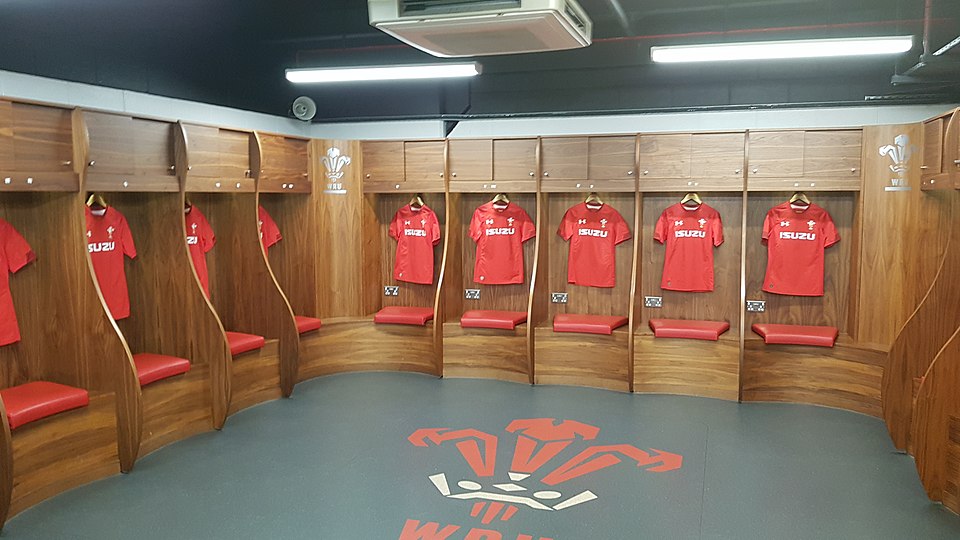
Communal Meals and Shared Goal-Setting for Team Morale
Communal meals represent one of the most effective off-pitch team building strategies, with research from the University of Erlangen-Nuremberg showing that shared meals boost team bonds significantly. When players share meals regularly, they develop deeper personal connections that translate to better on-field communication and understanding. These informal settings allow players to discuss strategies, share experiences, and build relationships beyond rugby. The casual atmosphere breaks down hierarchical barriers between senior and junior players.
Shared goal-setting with structured 90-day plans creates team alignment and ownership. According to Dr. Paul McCarthy’s 2025 research, teams that establish clear, shared objectives show improved performance and cohesion. The process of setting goals together ensures every player understands their role in achieving team success. This collaborative approach creates buy-in from all team members and provides clear metrics for measuring progress throughout the season.
Rotating leadership roles throughout the season develops team ownership and prevents hierarchical stagnation. When different players lead warm-ups, team meetings, or strategy sessions, it creates investment in team success across the entire squad. This approach builds leadership capacity while ensuring all players feel valued and involved in team direction. Players who might not be natural leaders gain confidence and develop new skills that benefit the team.
Outdoor Challenges and Community Service for Team Spirit
Outdoor challenges like hiking and rafting create low-risk team bonding opportunities that build trust through shared adversity. These activities require players to support each other through physical challenges, developing problem-solving skills and mutual reliance that transfer to rugby situations. The shared experience of overcoming obstacles together strengthens team bonds. Teams that complete challenging outdoor activities together often show improved communication during high-pressure game situations.
Volunteering and community service strengthen team spirit by providing shared purpose beyond rugby. When teams work together on community projects, they develop pride in their collective impact while building relationships through shared meaningful experiences. This approach, highlighted by Sport Performance Centres in December 2024, creates lasting memories that bond teammates. The shared experience of giving back to the community creates a sense of unity and purpose that extends beyond the rugby field.
Club traditions like karaoke nights and team skits create lasting memories that strengthen team culture. These fun activities allow players to see different sides of teammates, breaking down barriers and creating inside jokes that become part of team identity. The informal nature of these traditions helps players relax and connect on a personal level. Teams with strong traditions show better retention rates and more positive team dynamics throughout the season.
Psychological Strategies for Building Rugby Team Cohesion
Creating Psychological Safety Through Open Feedback
Psychological safety enables open feedback and trust, creating an environment where players feel comfortable sharing ideas and concerns. Dr. Paul McCarthy’s 2025 research emphasizes that teams with high psychological safety show better communication and performance. When players trust that their input is valued, they become more engaged and committed to team success. This environment encourages players to take risks and try new techniques without fear of criticism.
Peer recognition programs boost team morale by acknowledging individual contributions to team success. When players recognize each other’s efforts, it creates positive reinforcement that strengthens team bonds. These programs can include simple gestures like high-fives after successful plays or more formal recognition systems for consistent effort and improvement. The key is making recognition genuine and timely to maximize its impact on team morale.
Proactive conflict resolution prevents team dysfunction by addressing issues before they escalate. Teams that establish clear communication channels and conflict resolution processes maintain better cohesion during challenging periods. This approach ensures that disagreements about tactics or playing time don’t damage overall team chemistry. Having structured processes for handling conflicts creates confidence that issues will be resolved fairly and constructively.
Sustained Team Building: Why Consistency Beats One-Off Events
Sustained team-building interventions improve cohesion over time, according to research published in PMC in 2024 by Kwon SH et al. This study found that consistent, ongoing team building creates deeper bonds than occasional events. Teams that integrate building activities into regular routines show better long-term performance and stability. The cumulative effect of regular team building activities creates a strong foundation that withstands the pressures of competitive seasons.
One-off events provide temporary boosts but lack lasting impact without follow-up activities. While team retreats or special events can create memorable experiences, their benefits fade without consistent reinforcement through regular team building. The research shows that sustained interventions create cumulative benefits that compound over time. Teams that rely solely on occasional team building events often struggle with consistency and communication issues.
Cohesive teams outperform disengaged ones on all metrics, as reported by Gallup via Monkhouse and Company. This performance advantage extends beyond wins and losses to include better attendance, lower injury rates, and improved player retention. The data clearly shows that investing in team building pays dividends throughout the season. Teams with strong cohesion also show better resilience during losing streaks and maintain higher morale during challenging periods.
The most surprising finding from team building research is that the most effective activities are often the simplest ones. Regular shared meals, consistent communication practices, and small group challenges consistently outperform elaborate team building events. The key is consistency and genuine engagement rather than complexity or expense. Teams that focus on simple, sustainable activities often see better results than those that invest in expensive team building programs.
For immediate implementation, start with a simple shared meal after your next practice. This low-cost, high-impact activity creates the foundation for stronger team bonds while providing immediate benefits in team communication and morale. The research consistently shows that this simple step often provides the biggest return on investment for team building efforts. Teams that start with shared meals often find it easier to implement more complex team building activities later.
