
Modern rugby tactics combine structured set-piece plays with fluid phase-play strategies to create and exploit space while maintaining possession. Successful teams use complex systems that create numerical advantages through formations like the “Block” shape and Split Pitch/Width, while employing high-pressure defensive systems to limit attacking options.
Key takeaway
- Modern rugby tactics focus on creating numerical advantages through structured formations like the “Block” shape and Split Pitch/Width
- Successful teams employ multi-phase attack sequences (3-4 phases) to probe defensive weaknesses before launching major attacks
- Defensive systems emphasize ruck control, line speed, and strategic drift movements to limit attacking options
- Set-piece plays provide structured opportunities to execute pre-planned attacking and defensive strategies
The Evolution of Modern Rugby Tactics
Rugby tactics have evolved from simple formations to complex systems that combine structured set-piece plays with fluid phase-play strategies. Modern rugby focuses on creating space and maintaining possession through coordinated team movements and strategic positioning. The game now emphasizes creating numerical advantages at key points on the field, where teams can exploit mismatches between attackers and defenders. This evolution has been driven by sports science, video analysis, and the increasing pace of the professional game, where teams must adapt quickly to changing situations while maintaining tactical discipline, much like the game’s historical development from its 1823 origins.
The modern game requires players to understand multiple systems and adapt their roles based on game situations. Professional teams now employ dedicated tactical analysts who study opponents’ patterns and develop counter-strategies. This data-driven approach has transformed rugby from a game of individual brilliance to one of coordinated team movements and strategic decision-making. Teams now practice specific scenarios repeatedly, ensuring players can execute complex plays under pressure. The evolution continues as new strategies emerge, with coaches constantly innovating to gain competitive advantages through tactical superiority.
Core Strategic Principles
Successful rugby teams operate on several fundamental principles that guide all tactical decisions. Manipulating the defensive line with decoys and dummy runners creates mismatches by drawing defenders’ attention to larger players in the center, potentially isolating weaker defenders elsewhere on the field. Maintaining ball continuity at breakdowns is essential to prevent the defense from resetting and organizing, with quick and clean ball presentation being a priority. Exploiting open space involves players actively seeking areas with fewer defenders, often utilizing long passes to shift the ball to the far wing and stretch the defense thin. Creating mismatches through strategic positioning and using high-pressure defensive systems to force turnovers are also critical components of modern rugby strategy.
Another core principle is tempo control, where teams vary the pace of play to disrupt defensive organization. Quick ball from breakdowns prevents defenders from getting set, while slower, more deliberate phases can draw defenders in before exploiting space with rapid ball movement. Decision-making under pressure is also crucial, as players must constantly assess whether to run, pass, or kick based on defensive positioning and numerical advantages. Communication among teammates ensures everyone understands their roles within the tactical framework, allowing for seamless execution of complex attacking and defensive systems.
Key Attacking Formations & Plays
The “Block” Shape Formation
The “Block” shape is a fundamental attacking structure where a playmaker positions themselves behind a pod of forwards. This setup offers multiple options: a short pass to a forward (“unders” line) or a longer pass “out the back” to a player running onto the ball. This formation forces defenders to make rapid decisions, often leading to defensive breakdowns as they struggle to cover all available options. The playmaker’s positioning creates a decision-making dilemma for defenders, who must choose between rushing up to pressure the ball carrier or staying back to cover potential passes. This tactical structure is particularly effective in creating space for outside backs to exploit.
The effectiveness of the Block shape lies in its ability to create a “two-on-one” situation for the playmaker. Defenders must commit to either the forward pod or the potential pass to the backline, and the playmaker reads this commitment to make the correct decision. This formation also provides excellent support lines for the ball carrier, as forwards are positioned to secure the ball if the initial carry is stopped. Teams often vary the size and composition of the forward pod based on the specific situation, using larger forwards for power plays or smaller, more mobile forwards for quicker ball movement. The Block shape can be adapted to different field positions, with teams using wider formations near the touchline and more condensed shapes in central channels.
Split Pitch/Width and Width Strategies
Spreading the attack wide across the field, known as Split Pitch/Width, is a strategy designed to draw defenders towards the sidelines and create space in central channels. Attacking both sides of the ruck helps divide the defense and reduces their ability to effectively rush up. This width strategy forces defenders to cover more ground laterally, creating gaps in the defensive line that can be exploited through quick ball movement. Teams use this approach to manipulate defensive positioning, creating mismatches where faster attackers can exploit slower defenders in open space. The strategy requires precise timing and communication among attacking players to ensure the ball reaches space before defenders can recover.
Width strategies also include the use of cross-field kicks and chips over the defensive line to exploit space behind defenders. These kicking tactics are particularly effective when the defense is compressed near the ruck, as they create contestable situations where attackers can compete for the ball. Another width tactic is the use of “wrap-around” plays, where a forward loops around the playmaker to receive a pass, creating an additional attacking threat and confusing defensive assignments. Teams must balance their use of width with the risk of turnovers near the touchline, where a single mistake can result in loss of possession. Successful execution of width strategies requires players with excellent handling skills and the ability to make decisions at speed.
Phase Attack Sequences
Multi-phase sequences (3-4 phases) are used to “jab” at the defense, probe for weaknesses, and build towards significant attacking opportunities. Rather than relying on single explosive plays, teams employ patient build-up through multiple phases to test defensive organization and create fatigue. Each phase serves a specific purpose: the first phase might test the defensive line’s alignment, the second might probe for soft shoulders in the defensive structure, and the third or fourth phase creates the opportunity for a “big punch” play. This approach requires excellent ball retention skills and disciplined support play, as maintaining possession through multiple phases is essential for success, which can be enhanced through strength and speed training drills.
Phase attack sequences also incorporate tactical kicking to gain territory and create pressure. Teams might use box kicks to contest possession in the air or tactical grubber kicks to exploit space behind the defensive line. The decision to kick or continue with phase play depends on factors such as field position, scoreline, and the defensive organization of the opposition. Another aspect of phase play is the use of “pick and go” tactics near the try line, where forwards take short carries to test the defensive line’s resilience and create opportunities for offloads. Successful phase play requires excellent communication between forwards and backs, with each player understanding their role in the attacking structure and being prepared to adapt based on the defensive response.
Defensive Strategies & Set-Piece Plays
Ruck Defense and Line Speed
Standard defensive setup at the ruck involves one player contesting the ball and two “guards” positioned on either side to protect the ball carrier and prevent immediate counter-attacks. More advanced teams utilize “pods” of three defenders to patrol the line, ensuring comprehensive coverage. Maintaining a consistent, straight defensive line is paramount, with defenders trained to start on the outside shoulder of their assigned attacker. This positioning forces the ball carrier back inside and limits their ability to pass wide, effectively narrowing the attacking options. Line speed, the pace at which the defensive line advances, is crucial for putting pressure on the attacking team and disrupting their timing.
Effective ruck defense also requires excellent communication and coordination among defenders. Teams use specific calls to organize their defensive structure, with the “sweeper” or “last man” responsible for communicating the width of the defense and any potential overlaps. The defensive line must maintain consistent spacing, typically one meter between defenders, to prevent attacking players from exploiting gaps. Another key aspect of ruck defense is the ability to quickly transition from offense to defense when possession is lost, with players immediately assuming their defensive responsibilities. Teams also employ “blitz” defense, where defenders rush up quickly to pressure the first receiver and disrupt the attacking play before it can develop.
Drift Defense and Zone-Based Pressure
Drift defense is a lateral defensive movement where defenders shift towards the sideline to cut off passing lanes. This strategy is particularly useful when outnumbered or when aiming to force attackers towards the touchline, reducing their attacking options. Zone-based pressure involves adapting defensive intensity based on field position, with teams playing more conservatively in their own 22-meter area (the “Blue Zone”) and applying higher pressure in the opponent’s half (the “Green Zone”) to force turnovers closer to the opposition’s try line. This approach requires excellent communication and coordination among defenders to maintain the integrity of the defensive structure while applying pressure at strategic points.
Drift defense also incorporates the use of “rush” tactics, where defenders aggressively advance to pressure the attacking team and force rushed decisions. This high-risk, high-reward strategy can create turnovers but also leaves space behind the defensive line if not executed properly. Teams must read the game situation to determine when to employ drift defense versus more conservative approaches. Another aspect of zone-based pressure is the use of “choke” tackles, where defenders aim to hold the ball carrier up in the tackle to win a turnover or slow down the attacking play. Successful drift defense requires players with excellent lateral movement skills and the ability to maintain defensive integrity while shifting across the field.
Set-Piece Defensive Strategies
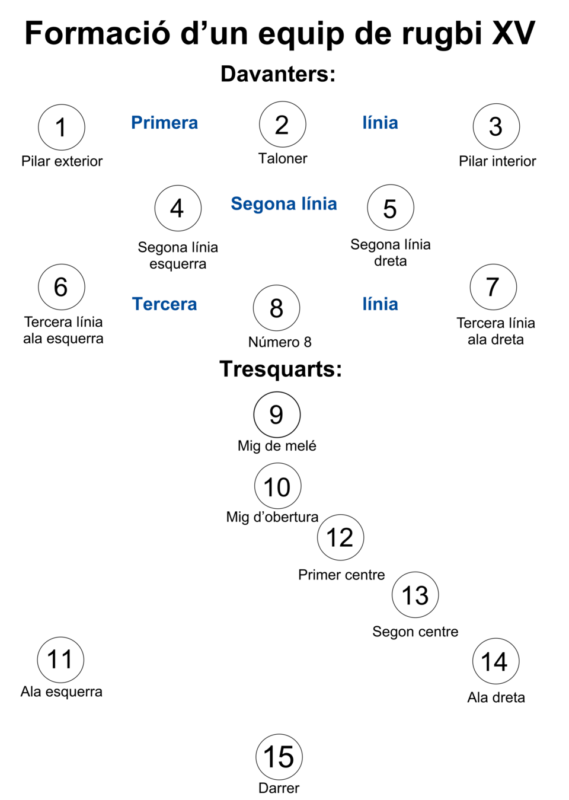
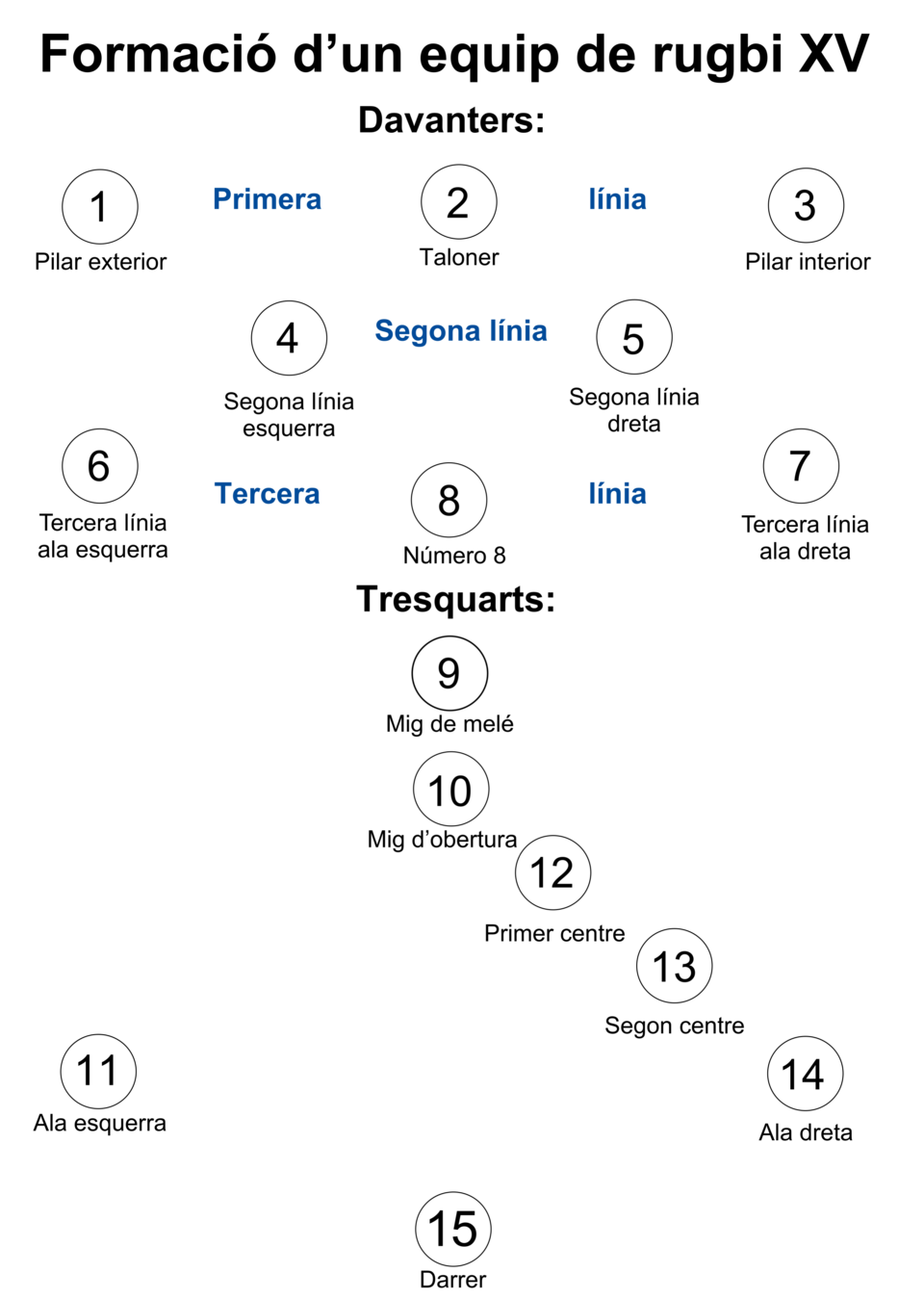
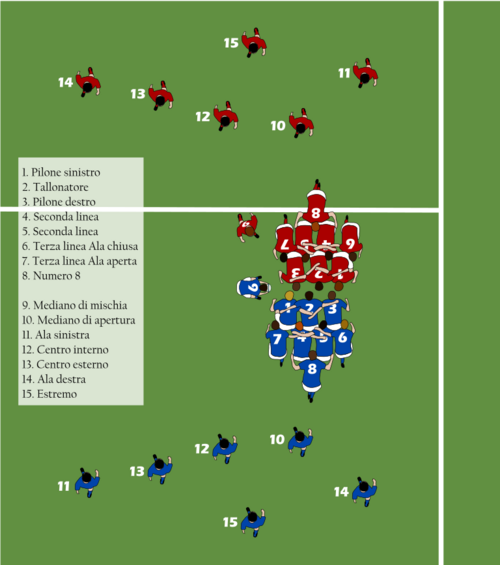
Defensive strategy for scrums often involves the openside winger tucking in to cover the first receiver or staying wide and “sliding” the defensive line. This requires strong communication to manage the potential extra attacker that scrums can create. Lineout options for defense include using dummy runners to draw attackers and maintaining compact formations to limit space for attacking plays. Specialized defensive formations for restarts focus on winning the aerial contest and organizing quickly to prevent counter-attacks. Set pieces provide structured defensive opportunities where teams can implement pre-planned strategies based on the specific situation and opponent tendencies.
Set-piece defense also involves analyzing opponent patterns and tendencies to anticipate their attacking strategies. Teams study video footage to identify preferred plays from specific set-piece positions and develop counter-measures. For example, if an opponent frequently runs a specific play from scrums on the left side of the field, the defending team might adjust their alignment or assign specific players to disrupt that play. Lineout defense requires careful organization to contest the throw while maintaining defensive integrity, with teams often using variations in their jump timing and lifting techniques to disrupt the opposition’s set-piece plays. Successful set-piece defense can significantly impact the flow of the game by limiting the opposition’s attacking options and creating turnover opportunities.
Successful rugby teams often prioritize defensive discipline over attacking flair, as strong defense creates the platform for effective attack. Teams that master both aspects of the game can control the tempo and flow of matches, forcing opponents into mistakes while creating their own scoring opportunities. Implementing these tactics requires consistent practice, clear communication, and the ability to adapt strategies based on game situations and opponent strengths, along with proper essential rugby equipment.
The most counter-intuitive finding is that defensive discipline often determines match outcomes more than attacking creativity. Teams that maintain structure, communicate effectively, and execute their defensive systems consistently can frustrate even the most talented attacking sides. One specific action step for implementing these tactics is to dedicate at least 30% of training time to defensive systems and set-piece plays, ensuring players understand their roles and can execute under pressure. This focus on the fundamentals of defense and set-piece execution provides the foundation for more complex attacking strategies to succeed.
Learn more about rugby tactics and strategies on our comprehensive guide, which covers everything from basic formations to advanced set-piece plays used by professional teams.
For more information about rugby rules and gameplay, check out our guide on rugby rules to understand the fundamental principles that govern tactical decisions. You can also explore rugby positions to learn how different player roles contribute to tactical execution on the field.
