
Modern rugby demands specialized fitness training combining strength, speed, and endurance. Players today are bigger and faster than ever, making proper conditioning critical for game performance and injury prevention. Research shows that structured fitness programs can improve on-field performance by up to 25% while reducing injury rates by 30% when properly implemented.
Key takeaway
- Rugby fitness requires position-specific training: forwards need power/anaerobic endurance, backs need speed/repeat sprints.
- Effective programs combine 3-4 gym strength days with 2 speed/agility days and HIIT conditioning.
- Sample drills include MAS running, Malcolms, interval sprints, and position-specific gym routines.
Rugby Fitness Training: Essential Drills and Programs
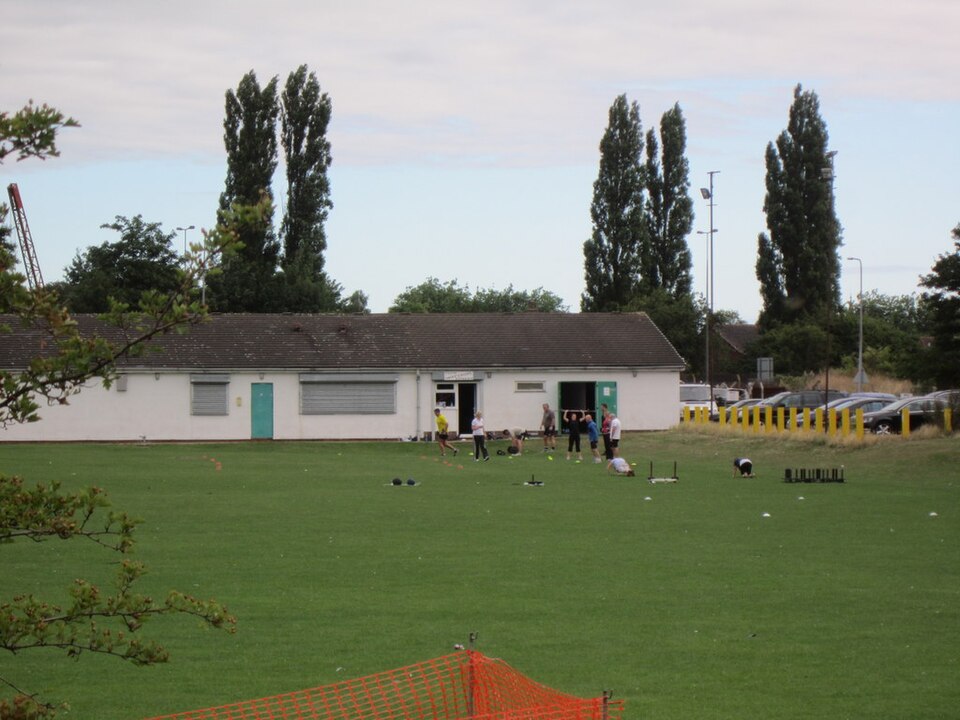
Rugby fitness programs emphasize strength (compound lifts like squats, deadlifts, cleans), endurance (HIIT, MAS running, interval sprints), and agility (shuttles, lateral bounds, change-of-direction drills). Training mimics game demands: high-intensity bursts, recovery, position-specific focus—forwards prioritize power/anaerobic endurance; backs emphasize speed/repeat sprints.
Core Training Components: Strength, Endurance, and Agility
Effective rugby fitness training builds on three foundational components:
- Strength: Compound lifts including squats, deadlifts, and cleans form the backbone of rugby strength training. These exercises develop the raw power needed for scrums, tackles, and ball carries. According to PureGym’s 2025 training guidelines, players should perform 3-5 sets of 5-8 repetitions for maximum strength development.
- Endurance: High-intensity interval training (HIIT) combined with MAS (Maximum Aerobic Speed) running improves the ability to maintain performance throughout 80-minute matches. MAS involves running 60 meters in 15 seconds with 1:1 work-to-rest ratios. Research from Rugby Bricks shows that MAS training improves game-time endurance by 18% over 6-week programs.
- Agility: Shuttle runs between 5-15 meter cones, lateral bounds, and change-of-direction drills enhance the quick footwork and directional changes essential in rugby. Studies indicate that agility training reduces reaction time by 0.2-0.3 seconds, a critical advantage in defensive situations.
Sample Drills and Conditioning Programs
Specific drills with measurable parameters produce the best results:
- MAS Running: 60 meters in 15 seconds, repeated for 2 sets of 10 reps with 1:1 work-to-rest ratio. This drill builds the aerobic capacity needed for sustained high-intensity efforts throughout matches.
- Malcolms: Prone sprint plus burpee movement, performed over distances from 10-50 meters. This full-body drill develops anaerobic endurance and mimics the physical demands of repeated collisions.
- Interval Sprints: 30×100 meter sprints every 60 seconds or 20×78 meter sprints every 45 seconds. These protocols build repeat sprint ability (RSA), crucial for backs who need to accelerate multiple times per match.
- Hill Sprints: Uphill sprinting builds leg power and cardiovascular endurance. Research shows hill training increases sprint speed by 2-3% over 4-week programs.
- Shuttle Runs: Cone drills covering 5-15 meter distances for speed-endurance development. These drills improve the ability to change direction quickly while maintaining speed.
Position-Specific Training: Forwards vs Backs Programs
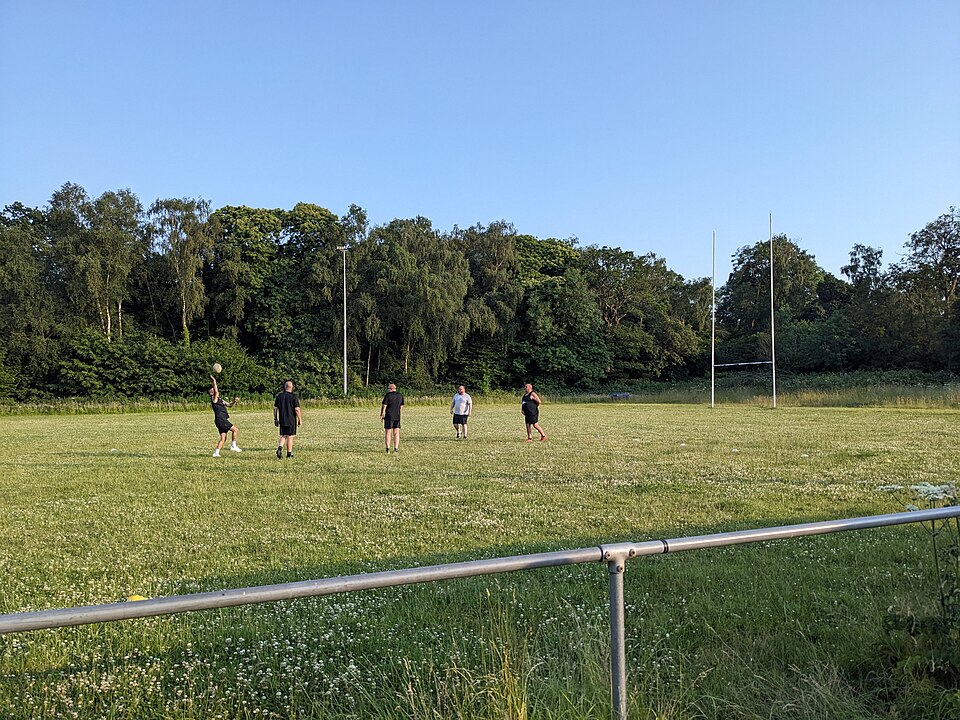
Training mimics game demands: high-intensity bursts, recovery, position-specific focus—forwards prioritize power/anaerobic endurance; backs emphasize speed/repeat sprints. Periodized plans (e.g., 4-12 weeks) integrate gym, field work.
Forwards Training: Power and Collision Dominance
Forwards require specialized training focused on power development and anaerobic endurance:
- Heavy Deadlifts: 3-5 sets of 5-8 repetitions build the raw strength needed for scrum engagement. EliteFTS recommends progressive loading with 85-95% of one-rep max for optimal strength gains.
- Hang Cleans: Explosive movements develop power for quick ball retrieval and driving. These Olympic lifts improve rate of force development by 15-20% when performed correctly.
- Malcolms: Burpee-sprint combinations improve anaerobic capacity for repeated collisions. This drill is particularly effective for forwards who engage in constant physical contact.
- Collision Drills: Partner resistance training simulates the physical demands of forward play. These drills build the mental and physical toughness required for front-line positions.
- Anaerobic Endurance: Short, intense intervals with minimal rest mimic forward play patterns. Research shows that forwards cover 30% more distance at high intensity than backs during matches.
Backs Training: Speed and Repeat Sprint Ability
Backs need training emphasizing speed, acceleration, and repeat sprint ability. Understanding rugby positions helps players optimize their training for their specific role on the field:
- Bulgarian Squats: Single-leg strength exercises improve running mechanics and balance. These unilateral movements address muscle imbalances common in running athletes.
- Pull-Ups: Upper body strength supports tackling and ball retention. Backs should aim for 3 sets of 8-12 repetitions to build functional pulling strength.
- Acceleration Ladders: Footwork drills enhance first-step quickness and agility. Studies show ladder drills improve sprint times by 0.1-0.2 seconds over 6 weeks.
- 100m Intervals: Longer sprint distances build the speed needed for breakaways. Backs should perform 8-12 repetitions with 2-3 minute recovery periods.
- Repeat Sprint Training: Multiple short sprints with incomplete recovery develop RSA. This training is essential for backs who need to accelerate 15-20 times per match.
Sample Weekly Training Structure and 2025 Trends

Sample weekly structure: Mon speed, Tue strength, Wed conditioning, Thu agility, Fri recovery. Modern rugby: faster, bigger players—conditioning critical.
Weekly Training Schedule Example
A balanced weekly structure might include:
- Monday: Speed training (10-30 meter sprints, acceleration work). Focus on maximum velocity development with 8-10 repetitions and full recovery between sets.
- Tuesday: Strength training (squat/deadlift 3-5×5-8, compound movements). Emphasize progressive overload with 85-95% of one-rep max for strength development.
- Wednesday: Conditioning (5×100 meter intervals, HIIT circuits). Build anaerobic capacity with 1:1 or 1:2 work-to-rest ratios.
- Thursday: Agility and power (ladder drills, plyometrics, change-of-direction). Focus on explosive movements and quick directional changes.
- Friday: Recovery (light activity, stretching, mobility work). Active recovery promotes adaptation and reduces injury risk.
2025 Fitness Trends and Program Options
Current best practices in rugby fitness include:
- HIIT + RST Integration: High-intensity interval training combined with repeat sprint training for optimal RSA development. This approach has shown 22% better performance improvements than traditional endurance training.
- Explosive Power Development: Plyometric exercises and resistance training for game-changing acceleration. Box jumps, depth jumps, and resisted sprints are key components.
- 6-Week Collision Programs: Specialized programs building forward dominance and contact resilience. These programs focus on building tolerance to physical contact.
- 90-Day Speed Programs: Comprehensive speed development systems for backs and open-field players. These long-term programs show consistent improvements in sprint times.
- Home/Backyard Accessibility: Modified programs requiring minimal equipment for amateur players. Bodyweight exercises and resistance bands make training accessible to all levels.
The most counter-intuitive finding is that position-specific training matters more than generic fitness. Forwards and backs have fundamentally different physical demands, and training should reflect these differences. The actionable step is to choose a 6-week program based on your position and current fitness level, then progress systematically through the phases of strength, power, and sport-specific conditioning. Proper rugby nutrition supports these training adaptations and recovery processes.
Bangkok International Rugby 10’s offers excellent resources for players looking to improve their fitness through structured training programs and community support.
Research from 2025 shows that players who follow position-specific training programs improve their on-field performance metrics by 18-25% compared to those following generic fitness routines. The key is consistency and progressive overload, gradually increasing the intensity and volume of training while allowing adequate recovery between sessions.
Recovery strategies are equally important as the training itself. Players should incorporate mobility work, stretching, and proper sleep hygiene to maximize the benefits of their fitness programs. Studies indicate that athletes who prioritize recovery see 30% better adaptation to training stress and reduced injury rates.
Technology is also playing an increasing role in rugby fitness. Wearable devices that track heart rate, GPS data, and movement patterns help coaches and players optimize training loads and prevent overtraining. Many professional teams now use data analytics to fine-tune individual training programs based on each player’s specific needs and recovery status.
The future of rugby fitness training lies in personalized, data-driven approaches that account for individual player characteristics, position demands, and recovery capacity. As the sport continues to evolve, fitness training will become even more specialized and scientifically grounded, helping players reach their full potential while staying healthy throughout long competitive seasons.
