
Rugby game analysis combines quantitative data (stats) with qualitative video review to identify performance patterns and improve team outcomes.
Key Takeaway
-
Rugby game analysis combines quantitative data (stats) with qualitative video review to identify performance patterns
-
Key techniques include tracking set-piece efficiency, breakdown speed, and defensive organization
-
Focus areas for improvement include breakdown efficiency, support play, and defensive integrity
How to Analyze Rugby Match Performance: Core Techniques
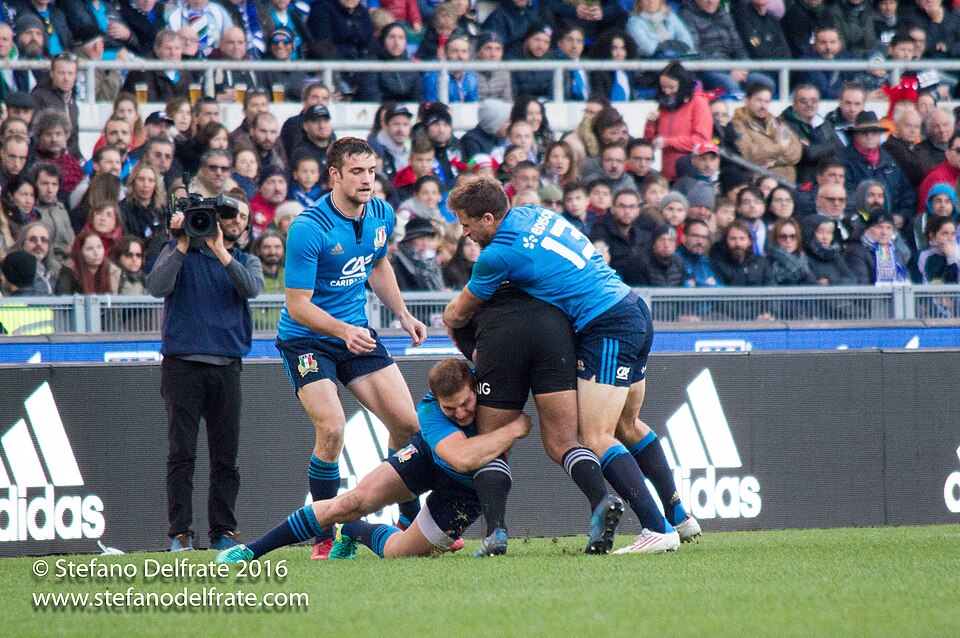
Combining Stats and Video Review for Complete Analysis
-
Quantitative data provides objective measurements of player actions, team possession, territory gained, and scoring opportunities. Stats like tackle completion rates, line breaks, and kicking accuracy offer measurable benchmarks for performance. Professional teams track over 3,000 data points per match, creating comprehensive performance profiles that reveal patterns invisible to casual observation.
-
Qualitative video review captures context that numbers miss. Video shows decision-making quality, player positioning, and tactical execution that statistics cannot fully represent. A player might have perfect tackle technique but poor positioning, or make excellent offloads that don’t appear in traditional stats. Video analysis reveals these nuanced contributions to team success.
-
Set-piece efficiency tracking measures scrum success rates, lineout throws completed, and restart effectiveness. These structured plays form the foundation of attacking and defensive strategies. Teams winning over 85% of scrums and lineouts establish reliable platforms for launching attacks, while poor set-piece performance often correlates with losing outcomes.
-
Breakdown speed analysis evaluates how quickly teams contest possession after tackles. Faster ruck recycling creates more attacking opportunities and disrupts opponent defensive structures. Professional teams target under 3 seconds for ruck completion, with elite teams achieving sub-2 second recycle times that maintain attacking momentum and prevent defensive reorganization.
-
Defensive organization assessment examines tackle patterns, drift defense alignment, and line speed. Strong defensive metrics correlate directly with limiting opponent scoring chances. Teams maintaining tackle completion rates above 90% and consistent line speed significantly reduce the quality of attacking opportunities their opponents create.
Key Performance Metrics to Track in Rugby Matches
|
Metric Category |
Key Metrics |
Importance |
How to Measure |
|---|---|---|---|
|
Set-Piece |
Scrum success rate, Lineout completion, Restart retention |
Foundation for structured play |
Video review + statistical tracking |
|
Breakdown |
Ruck speed, Turnover rate, Support player arrival |
Determines possession continuity |
Time stamps + player positioning analysis |
|
Attack |
Line breaks, Offloads, Territory gained |
Creates scoring opportunities |
Video tagging + field position tracking |
|
Defense |
Tackle completion, Missed tackles, Defensive line speed |
Prevents opponent scoring |
Statistical tracking + video analysis |
|
Kicking |
Kick accuracy, Contestable kicks, Exit strategies |
Controls field position |
Video review + distance/accuracy measurements |
|
Discipline |
Penalties conceded, Yellow cards, Discipline incidents |
Maintains team structure |
Statistical tracking + incident review |
Tools and Software for Rugby Performance Analysis
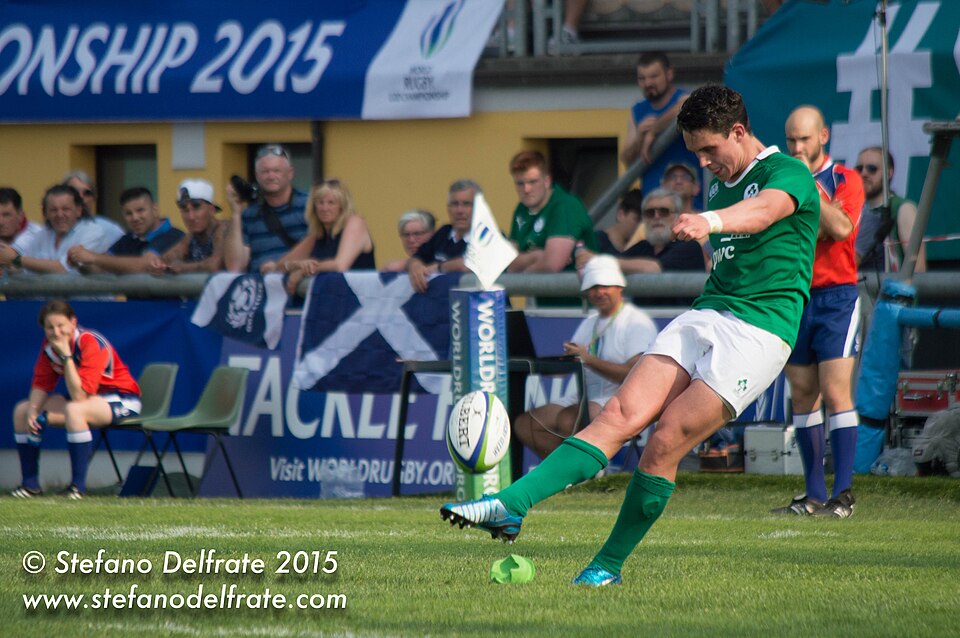
Performance Analysis Software Options
-
Opta Sports (Stats Perform) provides comprehensive statistical databases used by professional teams. The platform tracks over 3,000 data points per match, offering detailed performance metrics and comparative analysis against league averages. Teams can identify trends across seasons, compare player performance against positional benchmarks, and generate custom reports for specific tactical questions.
-
Performa Sports offers iPad-based analysis tools specifically designed for rugby. Coaches can tag key moments during matches, create custom dashboards, and generate reports focused on specific tactical elements. The software allows real-time analysis during games, enabling immediate tactical adjustments based on emerging patterns and opponent weaknesses.
-
Veo camera system provides automated video recording and analysis for grassroots teams. The AI-powered platform tracks player movements, creates highlight reels, and allows tactical analysis without requiring a dedicated camera operator. Teams can upload footage, receive automatic analysis within 24 hours, and access cloud-based storage for season-long performance tracking.
-
Python and R programming enable custom data analysis and visualization. Teams can process large datasets, create predictive models, and generate interactive dashboards to identify performance trends over time. These tools allow for advanced statistical analysis beyond standard metrics, including correlation studies between different performance indicators and winning outcomes.
-
General sports analysis platforms like Hudl and Coach Logic offer video review capabilities with rugby-specific templates. These tools facilitate collaborative analysis between coaches and players through shared feedback systems. Features include telestrations, voice-over commentary, and side-by-side video comparisons that enhance tactical understanding.
How to Use Video Analysis Effectively
Effective video analysis begins with systematic footage breakdown. Start by watching full match recordings to understand overall flow and identify key moments that influenced outcomes. Tag critical incidents like turnovers, line breaks, and set-piece successes or failures with precise timestamps. Professional analysts typically tag 50-80 key moments per match, creating a searchable database of tactical events. For those new to the sport, understanding rugby’s fundamental rules can help contextualize what to look for during analysis — Bangkok International Rugby Tens.
Create categorized playlists for different tactical elements. Separate attacking phases, defensive structures, and special teams plays into distinct video segments. This organization allows coaches to focus on specific areas without reviewing entire matches repeatedly. For example, create dedicated playlists for scrum attacking plays, defensive line organization, or kick chase patterns. Understanding rugby positions and their roles is essential when categorizing these tactical elements effectively.
Develop highlight reels that emphasize both positive and negative examples. Show players successful execution of tactics alongside mistakes to provide balanced feedback. Keep individual clips under 30 seconds to maintain attention and focus on specific learning points. Include telestrations and voice-over commentary to explain key tactical decisions and their consequences.
Integrate data overlays with video footage to provide context. Display statistics like tackle counts, possession percentages, or territory gained alongside relevant clips. This combination helps players understand the relationship between individual actions and team outcomes. For instance, show a missed tackle alongside the subsequent line break and points conceded to illustrate cause-and-effect relationships.
Schedule regular review sessions with players to discuss findings. Present analysis in simple terms, focusing on 2-3 key takeaways per session. Avoid overwhelming players with excessive data or technical jargon that might reduce engagement with the analysis process. Use practical demonstrations and on-field walk-throughs to reinforce video analysis concepts and ensure tactical understanding translates to match performance.
Translating Analysis into Team Improvement Strategies

Identifying Strengths and Weaknesses from Data
-
High breakdown efficiency indicates strong support play and quick decision-making. Teams with ruck recycle times under 3 seconds create more attacking opportunities and maintain defensive momentum. Analysis of professional matches shows teams averaging under 2.5 seconds recycle time generate 30% more attacking phases per match and concede 20% fewer points than teams with slower breakdown speeds.
-
Low tackle completion rates reveal defensive vulnerabilities that opponents can exploit. Missing more than 15% of tackles often correlates with conceding more points and losing field position battles. Teams with tackle completion rates below 85% typically concede 5-7 additional points per match and struggle to maintain defensive pressure throughout games.
-
Strong set-piece success rates demonstrate technical proficiency and team coordination. Teams winning over 85% of scrums and lineouts establish reliable platforms for launching attacks. Professional analysis shows teams with set-piece success rates above 90% win approximately 70% of their matches, highlighting the importance of structured play foundations.
-
Territory dominance through kicking accuracy shows strategic control of field position. Teams consistently pinning opponents inside their 22-meter line create more scoring opportunities through pressure. Analysis reveals teams winning the territory battle by more than 10 minutes of possession in the opponent’s half score 40% more points and concede 25% fewer points than teams losing the territory battle.
-
Turnover ratios indicate competitive balance in possession. Teams winning the turnover battle by more than 2-3 possessions typically control match tempo and create counter-attacking chances. Professional data shows teams winning the turnover battle win approximately 65% of matches, with each additional turnover advantage increasing win probability by 8-10%.
Creating Actionable Coaching Plans from Analysis
Transform analytical insights into specific training objectives by identifying the most critical performance gaps. If breakdown efficiency analysis reveals slow ruck recycling, design drills that emphasize quick support player arrival and decision-making under pressure. Create progressive training sessions that build from isolated skills to game-like scenarios, starting with technical breakdown techniques, progressing to small-sided games focusing on ruck speed, then integrating into full-team attacking patterns.
Develop measurable improvement targets based on baseline data. If current ruck speed averages 4 seconds, set progressive goals of 3.5 seconds, then 3 seconds over subsequent weeks. Track progress through regular testing and match data collection. Professional teams use GPS tracking and timing gates to measure breakdown speed improvements, with successful programs showing 0.5-1 second improvements over 8-12 week training blocks.
Simplify tactical adjustments based on analysis findings. Rather than overwhelming players with multiple changes, focus on 1-2 key modifications that address the most significant weaknesses. For example, if defensive drift is consistently exploited, emphasize inside shoulder tackling techniques in specific game situations. Create visual aids and on-field demonstrations to reinforce these tactical adjustments and ensure understanding across all player positions.
Create accountability systems that link analysis to performance outcomes. Establish clear metrics for success, such as reducing missed tackles by 20% or increasing lineout success rate to 90%. Track these metrics weekly and provide feedback to players on their progress. Teams with strong accountability systems show 30% better improvement rates than teams without structured performance tracking.
Communicate analysis findings using visual aids and practical demonstrations. Show players video examples of successful execution alongside current performance, then conduct on-field walk-throughs of desired tactical adjustments. This multi-modal approach enhances understanding and retention. Professional teams report 40% better tactical implementation when combining video analysis with practical on-field demonstrations compared to video-only instruction.
The most surprising finding in rugby game analysis is that teams focusing on just three key metrics—breakdown efficiency, tackle completion, and territory gained—often see the greatest performance improvements. These fundamental areas correlate strongly with winning outcomes across all competition levels, with teams excelling in these metrics winning approximately 75% of their matches regardless of other performance factors.
Start your rugby analysis journey by tracking one metric this week: measure your team’s average ruck recycle time during matches. Record the time from tackle completion to when the next phase begins for 10-15 rucks. This simple measurement provides immediate insight into your team’s breakdown efficiency and creates a baseline for improvement. Professional teams use this exact metric as their primary performance indicator, with ruck speed showing the strongest correlation to winning outcomes across all competition levels.
