
The Bangkok International Rugby 10s (Feb 14-15, 2026) showcases youth rugby at its best, with 6-team divisions for ages U8-U19. But beyond tournament excitement lies a critical question: how do we train young players safely while developing proper skills? This guide breaks down age-specific approaches that reduce injury risk by up to 35%.
Youth Rugby Development Essentials
- Progressive contact training: flag rugby (U6-U12) → modified contact (U13-U15) → full contact (U16+)
- World Rugby Activate program reduces lower limb injuries by 35% through neuromuscular training
- Essential safety protocols: mandatory mouthguards, ‘If in doubt, sit them out’ concussion rule, no jewelry
- Bangkok 10s model: 6 teams max per age group, charity integration, girls’ divisions
Youth Rugby Age Groups and Progressive Contact Training
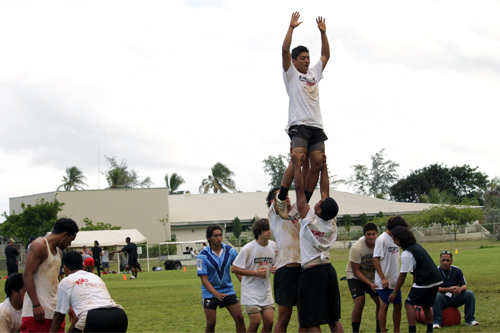
Youth rugby development follows a carefully structured progression that matches physical and cognitive development with appropriate contact levels. This approach ensures young players build fundamental skills safely before advancing to full contact.
Age-Specific Training Progression: From Flag to Full Contact
- U6-U8 (Ages 4-7): Non-contact flag rugby focusing on basic movement skills, catching, and passing. Modified field size (half-width) with 5-7 players per side.
- U9-U10 (Ages 8-9): Continued non-contact play with emphasis on game understanding. Introduction to simple attacking patterns and defensive positioning.
- U11-U12 (Ages 10-11): Non-contact rugby with slightly larger field dimensions. Focus on teamwork, communication, and basic tactical awareness.
- U13-U15 (Ages 12-14): Modified contact introduction using World Rugby Activate program. Controlled tackling practice with emphasis on technique over force.
- U16-U18 (Ages 15-17): Progressive contact training with full tackling permitted. Position-specific skill development and set piece introduction.
- U19+ (Ages 18+): Full contact rugby with adult-level training intensity. Advanced tactical systems and physical conditioning.
England Rugby guidelines recommend specific contact training loads based on age, with younger players having limited contact hours per week to prevent overuse injuries. For example, U13 players should have no more than 2 hours of contact training per week, while U16 players can progress to 3-4 hours with proper technique assessment.
World Rugby Activate: Injury Prevention for U13-U15 Players
The World Rugby Activate program is a scientifically proven 20-minute warm-up routine specifically designed for youth players aged 13-15. This program has demonstrated a 35% reduction in lower limb injuries through neuromuscular training.
Program Components:
- Balance and stability exercises: Single-leg stands, wobble board activities, and controlled landings
- Plyometric movements: Box jumps, lateral bounds, and depth jumps for power development
- Running technique drills: High knees, butt kicks, and carioca with emphasis on proper form
- Strength exercises: Body weight squats, lunges, and core stability work
- Proper tackling technique practice: Shoulder contact, head position, and wrapping drills
The Activate program focuses on ankle and knee injury prevention, which are the most common injuries in youth rugby. Players perform these exercises before every training session and match, building both physical resilience and proper movement patterns. Research from World Rugby shows that teams implementing Activate consistently see fewer ACL injuries and ankle sprains compared to control groups.
Essential Safety Protocols and Injury Prevention for Young Players
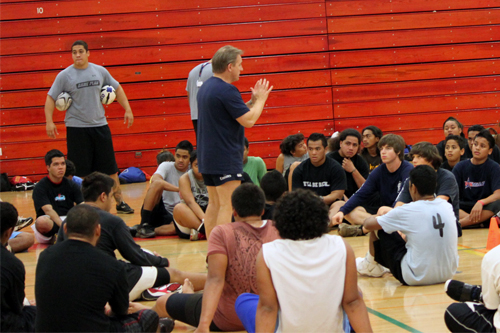
Safety in youth rugby extends beyond just contact management. Comprehensive protocols protect young athletes while allowing them to develop their skills and love for the game.
Mandatory Safety Equipment and Protocols
Mouthguards
- Mandatory for all contact training and matches
- Custom-fit mouthguards provide best protection against dental injuries
- Regular replacement as players grow and mouthguards wear out
- Boil-and-bite options available for budget-conscious families
Concussion Management
- “If in doubt, sit them out” policy strictly enforced at all levels
- Immediate removal from play if concussion suspected by any coach, parent, or official
- Medical clearance required before return to play following international guidelines
- Graduated return-to-play protocol: 6-day minimum progression from rest to full contact
Additional Safety Measures
- No jewelry allowed during training or matches (watches, earrings, necklaces, rings)
- Proper fitting protective equipment including scrum caps and shoulder pads where appropriate
- Regular field safety inspections for hazards, proper goalpost padding, and boundary markings
- Emergency action plans at all venues with clearly marked AED locations
Progressive Contact Training Methods
Progressive contact training ensures players develop proper technique before increasing intensity. This approach reduces injury risk while building confidence and competence.
Technical Foundation Phase (U6-U12)
- Focus on body positioning and footwork without contact
- Controlled tackling practice on padded equipment and tackling bags
- Partner work with emphasis on communication and spatial awareness
- Video analysis of proper technique using age-appropriate examples
Contact Integration Phase (U13-U15)
- Gradual introduction of live tackling scenarios with modified rules
- Small-sided games (3v3, 5v5) with reduced contact intensity
- Position-specific contact training based on physical development
- Regular technique assessment and feedback using video review
Full Contact Phase (U16+)
- Full tackling and rucking permitted with continued technique emphasis
- Advanced game strategies and set pieces introduced progressively
- Match preparation and conditioning at appropriate adult levels
- Continued focus on proper technique and safety awareness
Bangkok International Rugby 10s as Model Youth Program
The Bangkok International Rugby 10s provides an excellent model for youth rugby development, demonstrating how tournaments can successfully integrate safety, competition, and community benefits.
Tournament Structure
- Age groups: U8, U10, U12, U14, U16, U19, and Girls divisions with separate competitions
- Maximum 6 teams per age group ensures quality competition and manageable match loads
- All matches played at Bangkok Patana School with proper facilities and medical support
- 100% charity proceeds support local youth programs including equipment donations and coaching education
Safety Implementation
- Medical staff present at all venues with concussion assessment capabilities
- Strict adherence to age-appropriate contact rules with on-field officials monitoring compliance
- Equipment checks before matches ensuring proper fitting and condition
- Clear communication of safety protocols to all participants through pre-tournament briefings
The tournament’s success shows how proper planning and safety protocols create an environment where young players can develop their skills while staying protected. With over 500 youth participants annually, the Bangkok 10s demonstrates that safety and competitive development can coexist effectively.
Building Long-Term Player Development
Successful youth rugby programs focus on long-term athlete development rather than short-term results. This approach creates better players while keeping them safe and engaged.
Physical Development Considerations
- Growth spurts affect coordination and injury risk, with peak height velocity typically occurring between ages 12-15
- Different maturation rates between players require flexible grouping and skill progression
- Position specialization should wait until late teens to prevent overuse injuries and burnout
- Strength training must be age-appropriate, focusing on body weight exercises before external resistance
Technical Skill Development
- Fundamentals mastered before advanced skills, with passing, catching, and running as core priorities
- Position-specific training based on physical development rather than chronological age
- Video analysis for technique improvement using slow-motion review and side-by-side comparisons
- Regular skill assessments and feedback through structured evaluation sessions
Psychological Aspects
- Positive reinforcement and encouragement to build confidence and enjoyment
- Managing competitive pressure appropriately through age-specific goal setting
- Building teamwork and communication skills through structured group activities
- Developing resilience and sportsmanship through fair play initiatives
Getting Started with Youth Rugby
Parents and coaches can implement these safety and training principles immediately to create better youth rugby experiences.
For Parents
- Ensure proper equipment and medical clearance before participation
- Understand the progressive contact model and what to expect at each age level
- Support proper technique over aggressive play during matches and training
- Encourage participation regardless of skill level to promote lifelong physical activity
For Coaches
- Complete World Rugby coaching certification appropriate for age group
- Implement Activate program consistently before every training session
- Follow age-appropriate training guidelines for contact hours and intensity
- Create positive, skill-focused training environments that prioritize development over winning
The combination of progressive contact training, comprehensive safety protocols, and proper long-term development creates the foundation for successful youth rugby programs. By following these guidelines, we can ensure young players develop their skills safely while enjoying the many benefits rugby offers.
Ready to learn more about rugby safety and training? Visit the Bangkok International Rugby 10’s website for tournament information and youth program resources.
World Rugby Activate program details: Official Activate Information
USA Rugby safety guidelines: USA Rugby Player Safety
